
Weigeng Liu
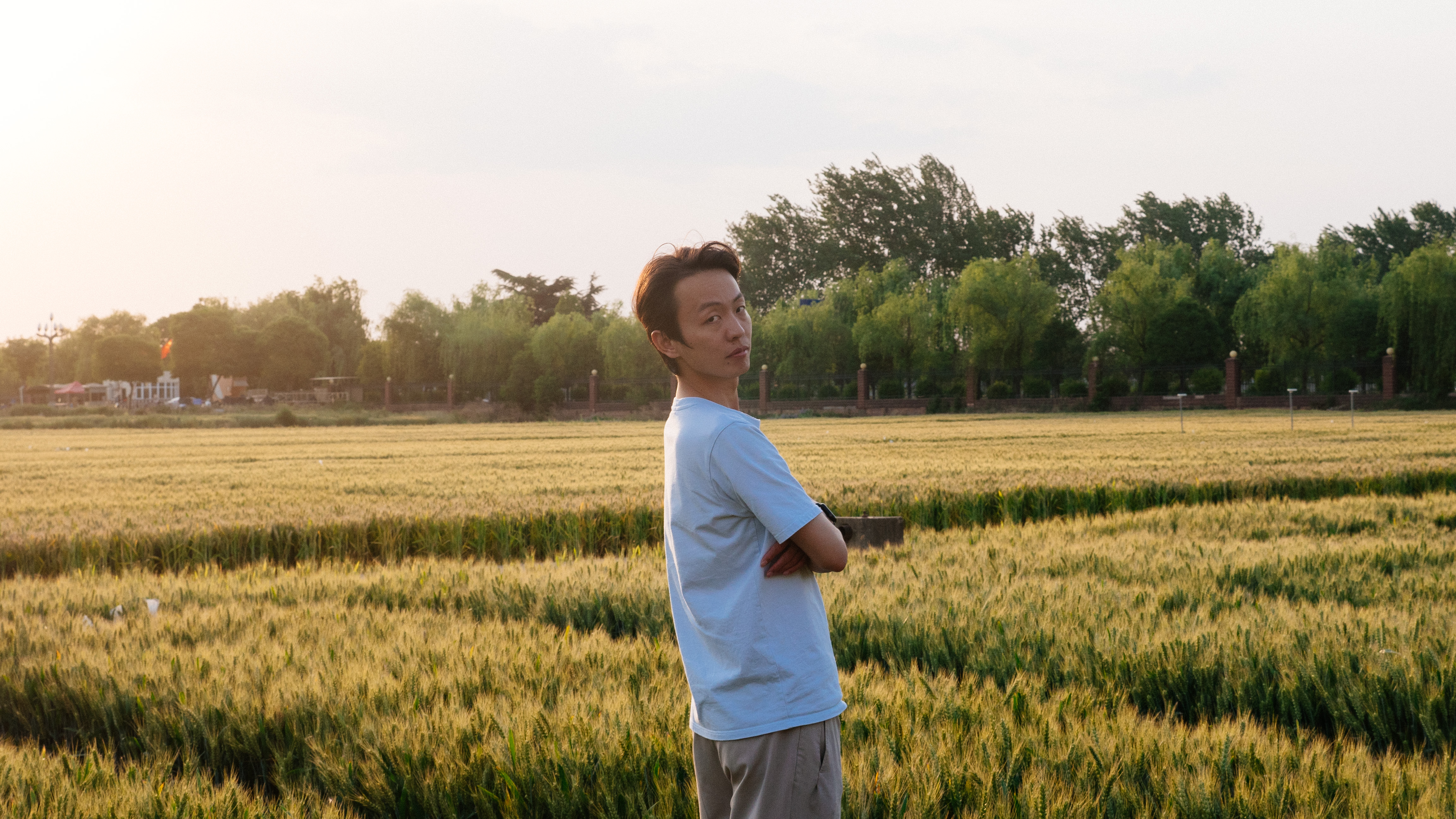
"I applied to ViroiDoc because the research project closely matches my academic background, and ViroiDoc’s excellent training network offers outstanding interdisciplinary training and is ideal for enabling me to create practical value in my research field. I expect to gain multidisciplinary experience integrating sensor development, molecular diagnostics and field validation, and to contribute to creating robust, field-deployable assays for early viroid detection. "
Weigeng is ViroiDoc MSCA fellow in Slovenia (DC3) at the National institute of chemistry (NIC) under supervision of Dr. Samo Hočevar and co-supervision of Dr. Nikola Tasić.
Individual Research Projects (IRP):
Development of a disposable, selective, and sensitive electrochemical sensor for on-site detection of plant viroids
Plant viroids are small, non-coding RNA pathogens responsible for diseases causing bark cracking, stunted growth, and reduced yields, remaining frequently undetected until late stages of infection. For example, Citrus Bark Cracking Viroid (CBCVd) is one of them, presenting a typical threat, as early symptomless infections facilitate undetected spread, leading to substantial yield losses. To address the need for reliable field diagnostics, this project tackles the development of a powerful and disposable electrochemical sensor for on-site detection of CBCVd and/or related plant viroids. To build an efficient electrochemical detection platform, the work will begin with the selection of an optimal supporting electrode material, followed by tailored (chemical and/or electrochemical) electrode surface pretreatment to provide enhanced electrochemical reproducibility and responsiveness towards standard redox systems. In the next step, the electrode surface will be modified with signal-amplifying interface(s) based on carbon and metal nanostructures, such as carbon nanotubes, MXenes, (mixed) metal oxides, etc. These materials can be used alone or combined with various polymeric and other matrices/binders, as hybrid composites. The so prepared ((electro)catalytic) interfaces will be prudently functionalized with sequence-specific DNA or RNA capture probes and protected by antifouling layer to minimize non-specific adsorption. Different electrochemical detection modes will be examined and optimized, including amperometry, (pulse)voltammetry, and electrochemical impedance spectroscopy. Optional amplification strategies will also be explored, if needed, such as using secondary reporter probes or integrated redox mediator layers. Finally, the sensor will be evaluated in both simulated and real samples It will be adapted preferentially to screen-printed electrode formats and designed with a dual-working-electrode configuration to provide also a built-in negative control. Its robustness against potential interferents will be evaluated. This platform will offer a potentially versatile tool for routine field surveillance of viroid infections, supporting precision agriculture and sustainable crop protection.
W.G. Liu, S. B. Hočevar (NIC), N. Tasić (NIC), S. Radišek (IHPS), M. Fojta (CAS), A. Merkoçi (ICN2)
The text above was submitted as poster abstract for the Viroids2025 conference in Bari, Italy.
Project presentation