
24/06/2026 by ViroiDoc project team 0 Comments
ViroiDoc project holds second in-person consortium meeting in Strasbourg
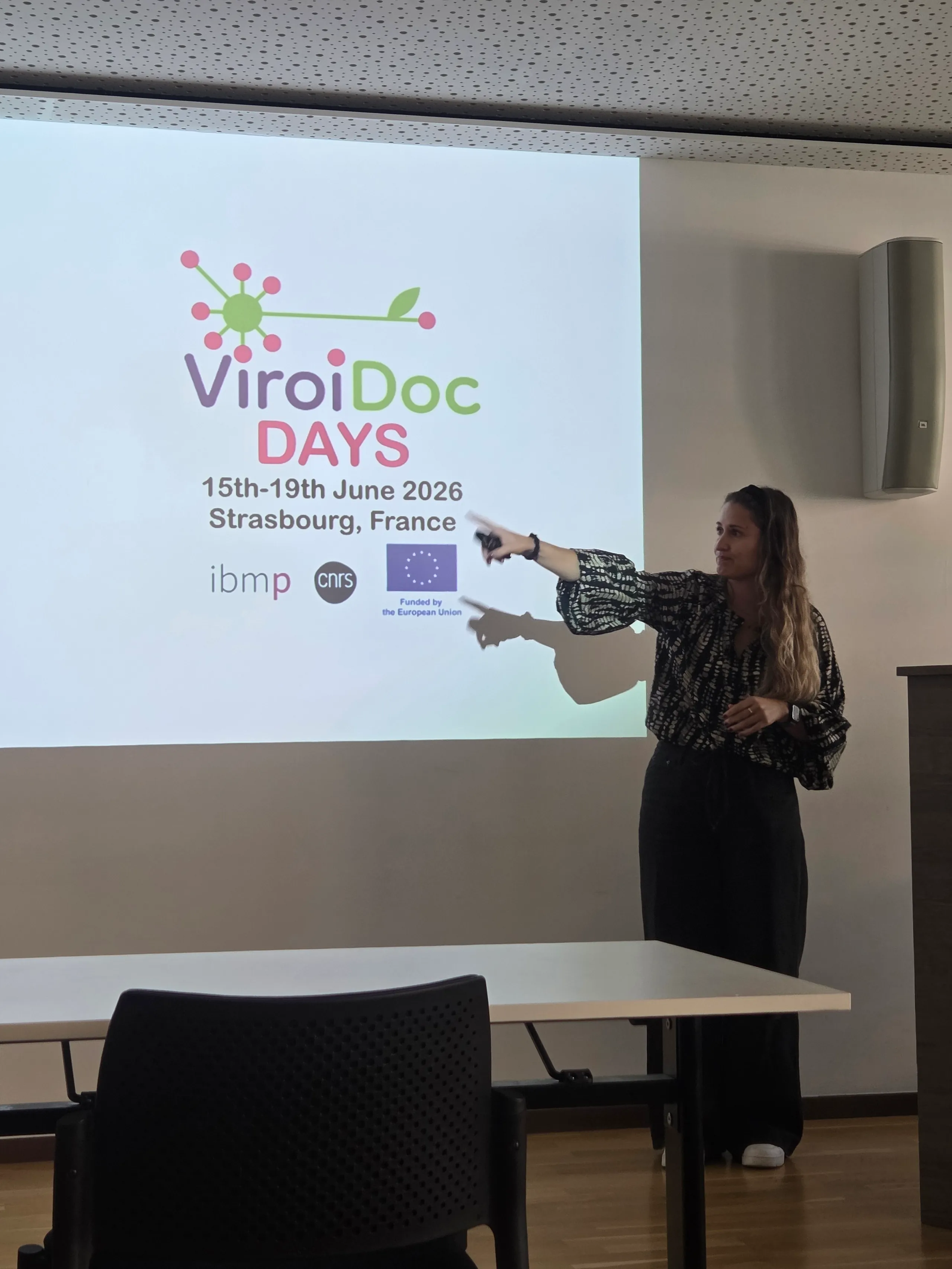
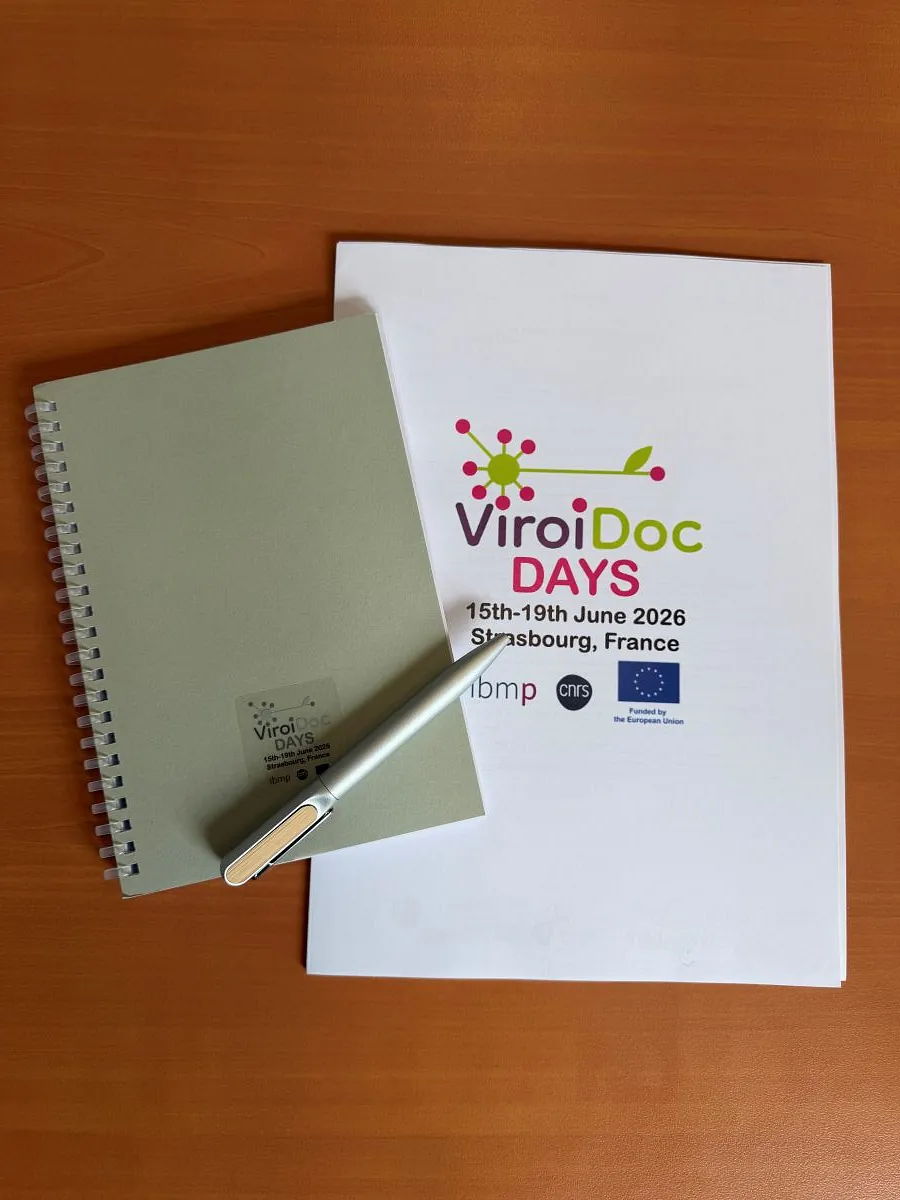
From 15–19 June 2026, consortium members gathered in Strasbourg for specialised training, scientific exchange, and collaborative planning.
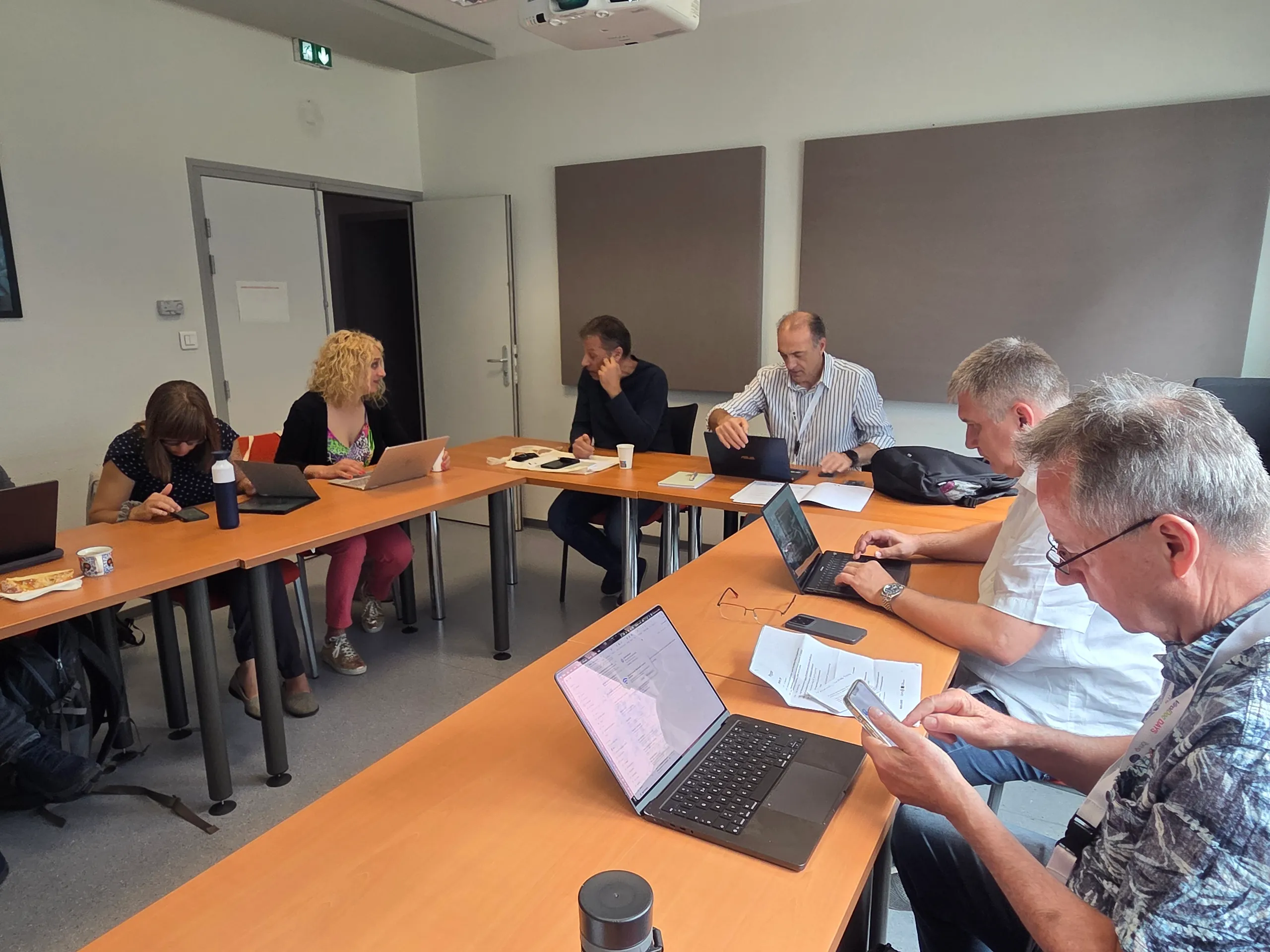
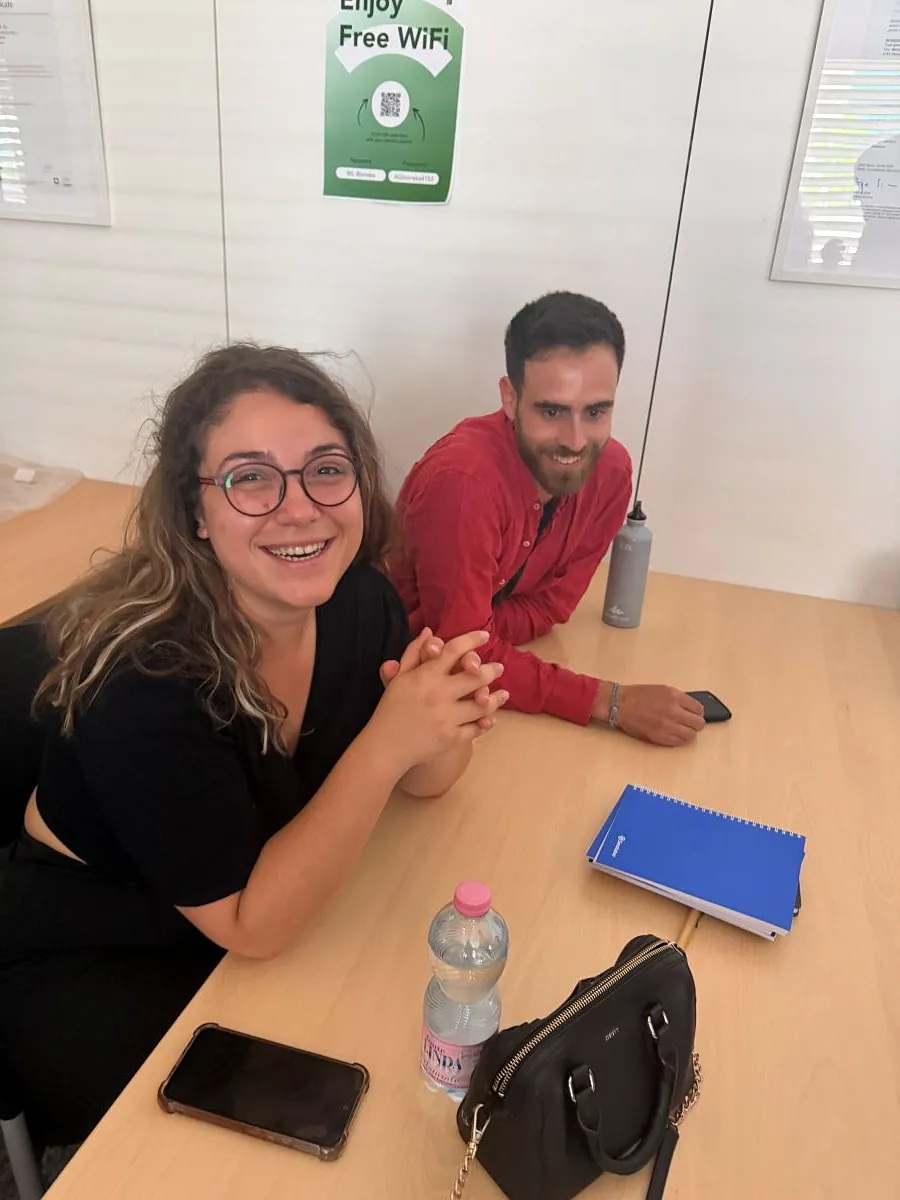
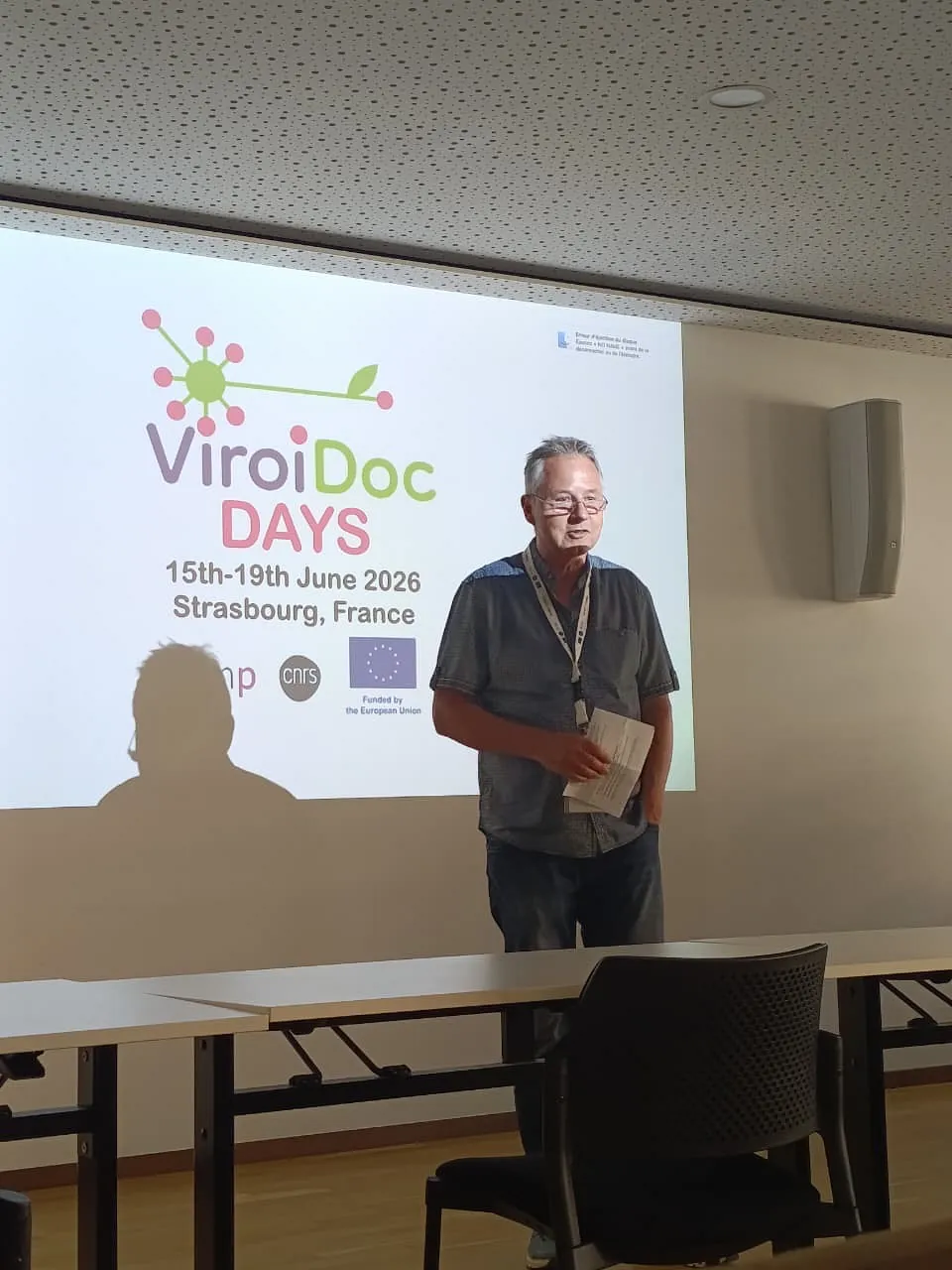
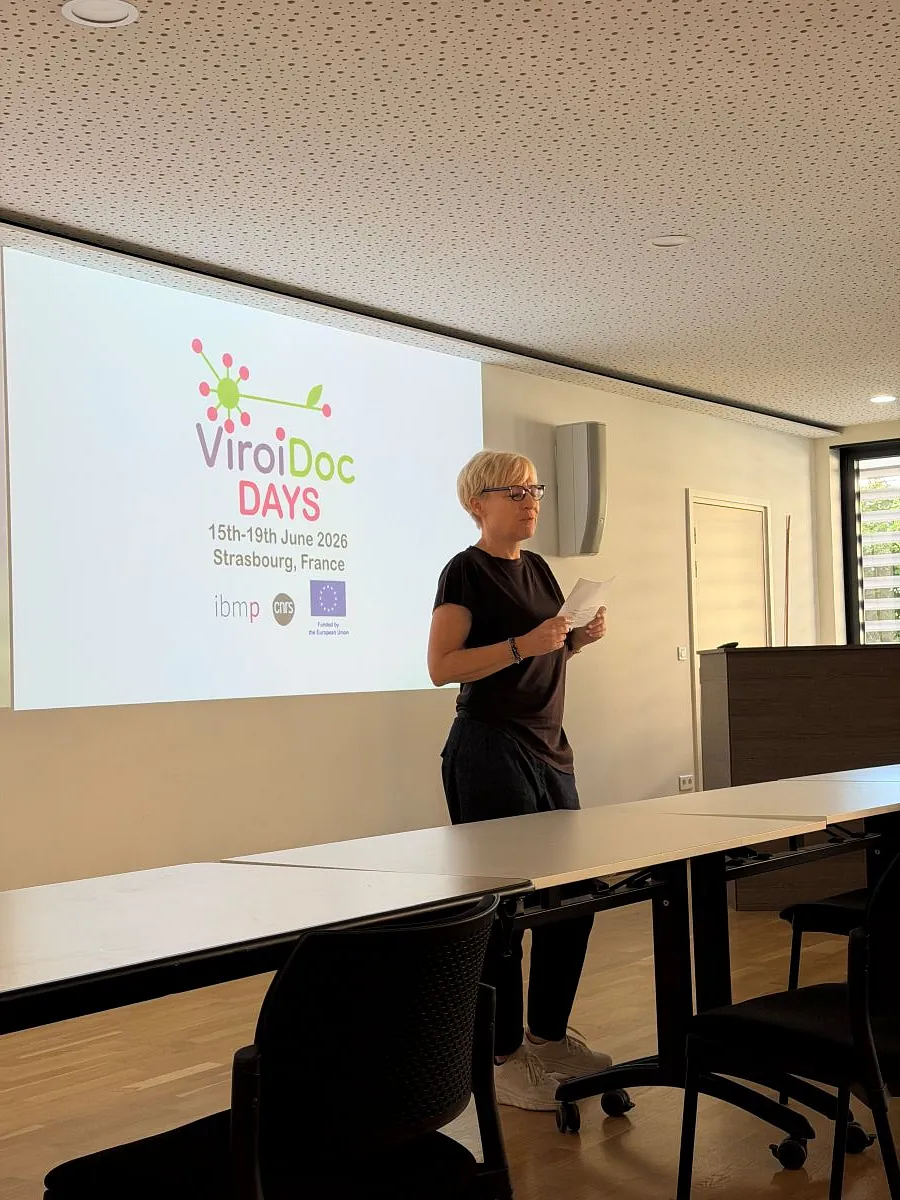
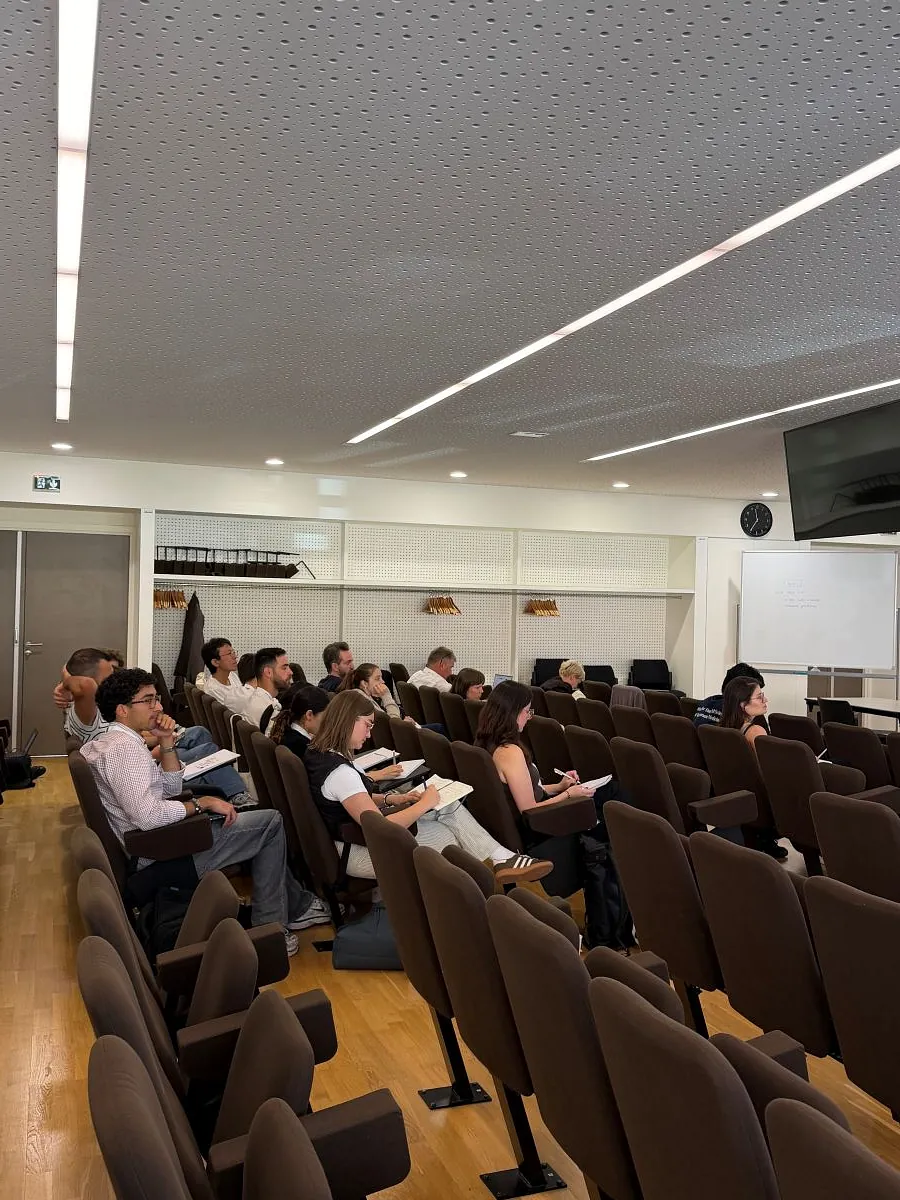
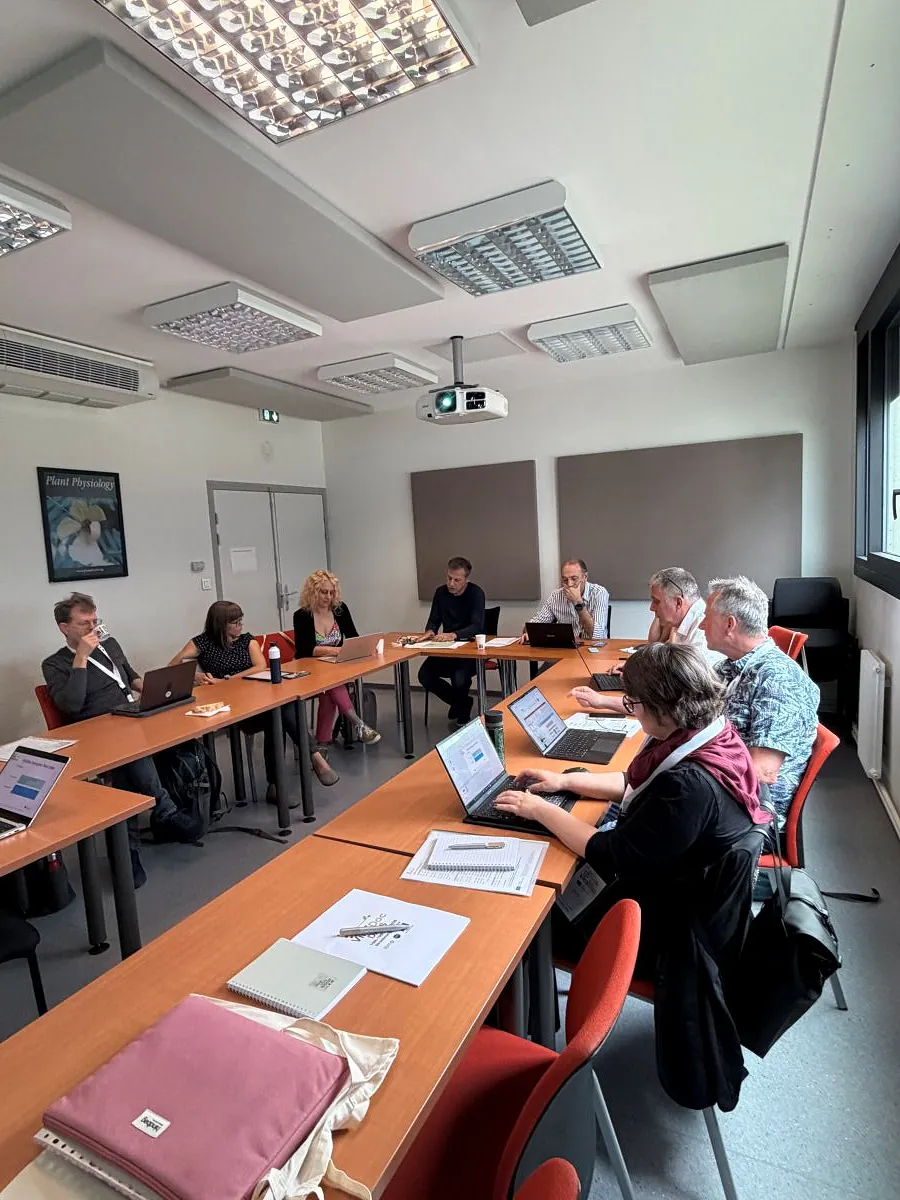
The ViroiDoc Days event, held in Strasbourg, France, from 15–19 June 2026, brought together consortium partners, Doctoral Candidates (DCs) – ViroiDoc MSCA Fellows, supervisors, and researchers for the second in-person meeting of the ViroiDoc project. Conducted in a hybrid format, the event welcomed participants both on-site and online, fostering scientific exchange, advanced training, and collaboration across the consortium.
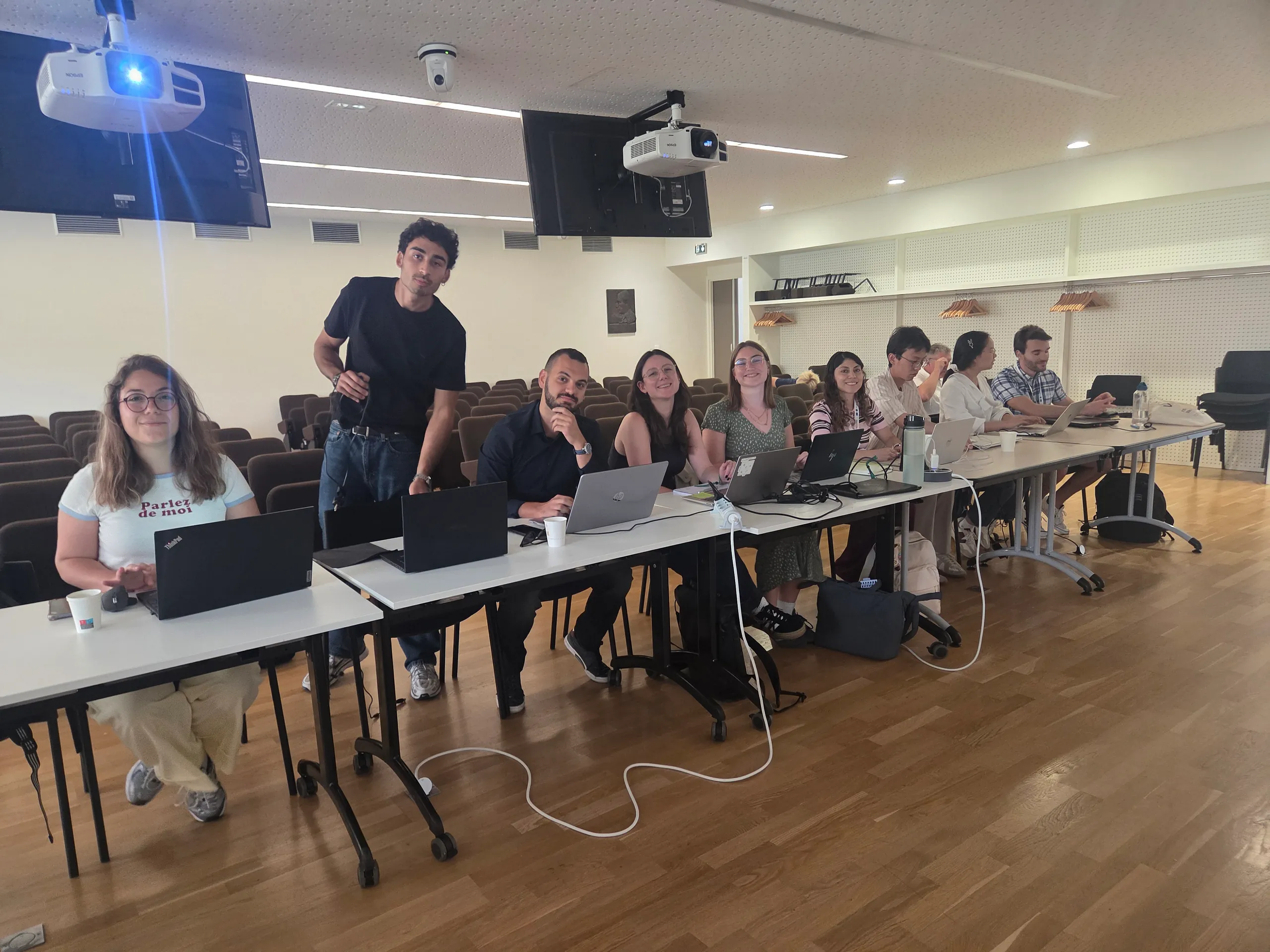
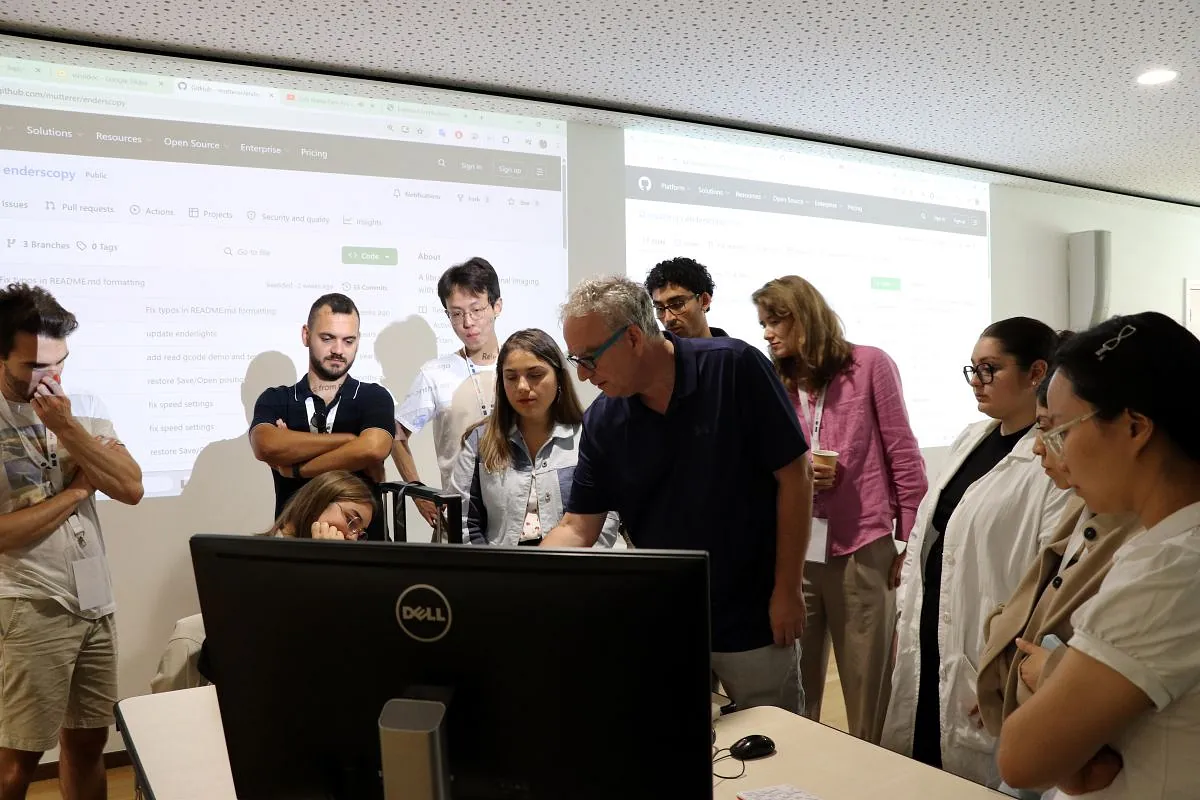
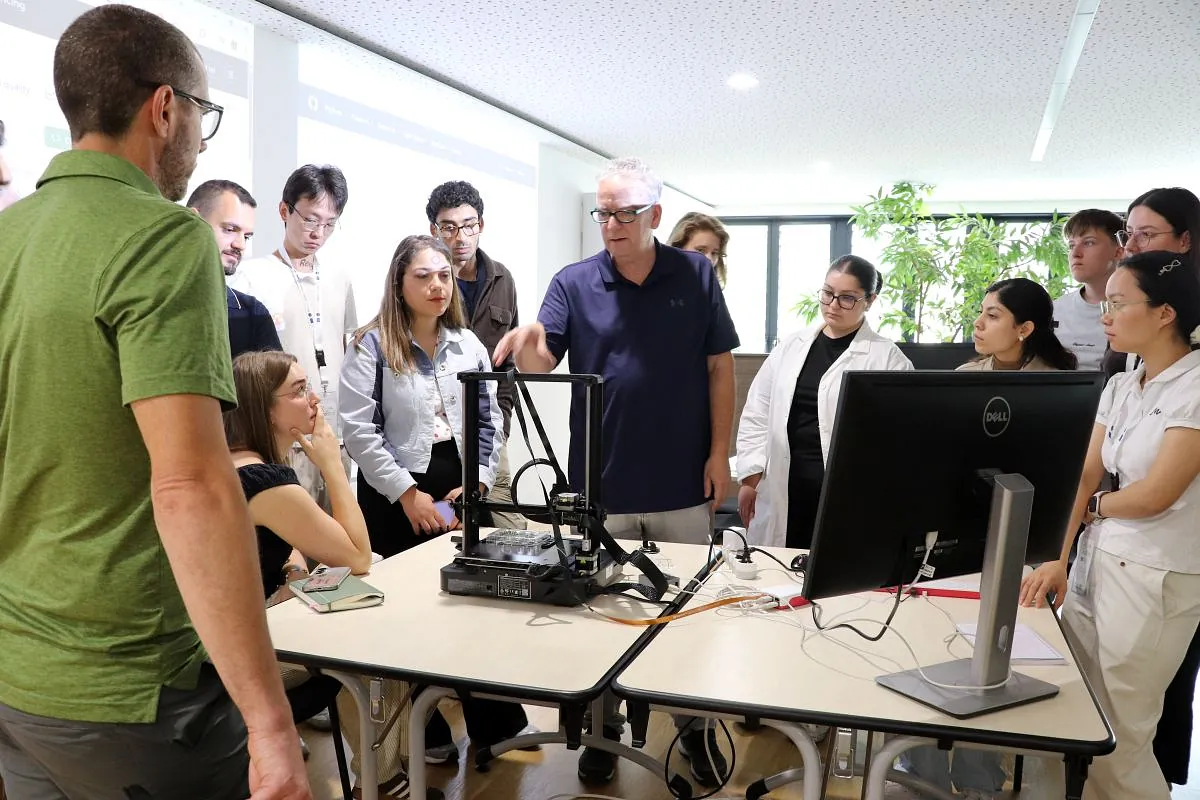
As a key training activity within the ViroiDoc project, the meeting provided DCs with opportunities to deepen their expertise in viroid research through a series of specialised scientific and transferable skills modules. At the same time, supervisors and project partners discussed ongoing activities, future milestones, and strategies for strengthening collaboration within the network.
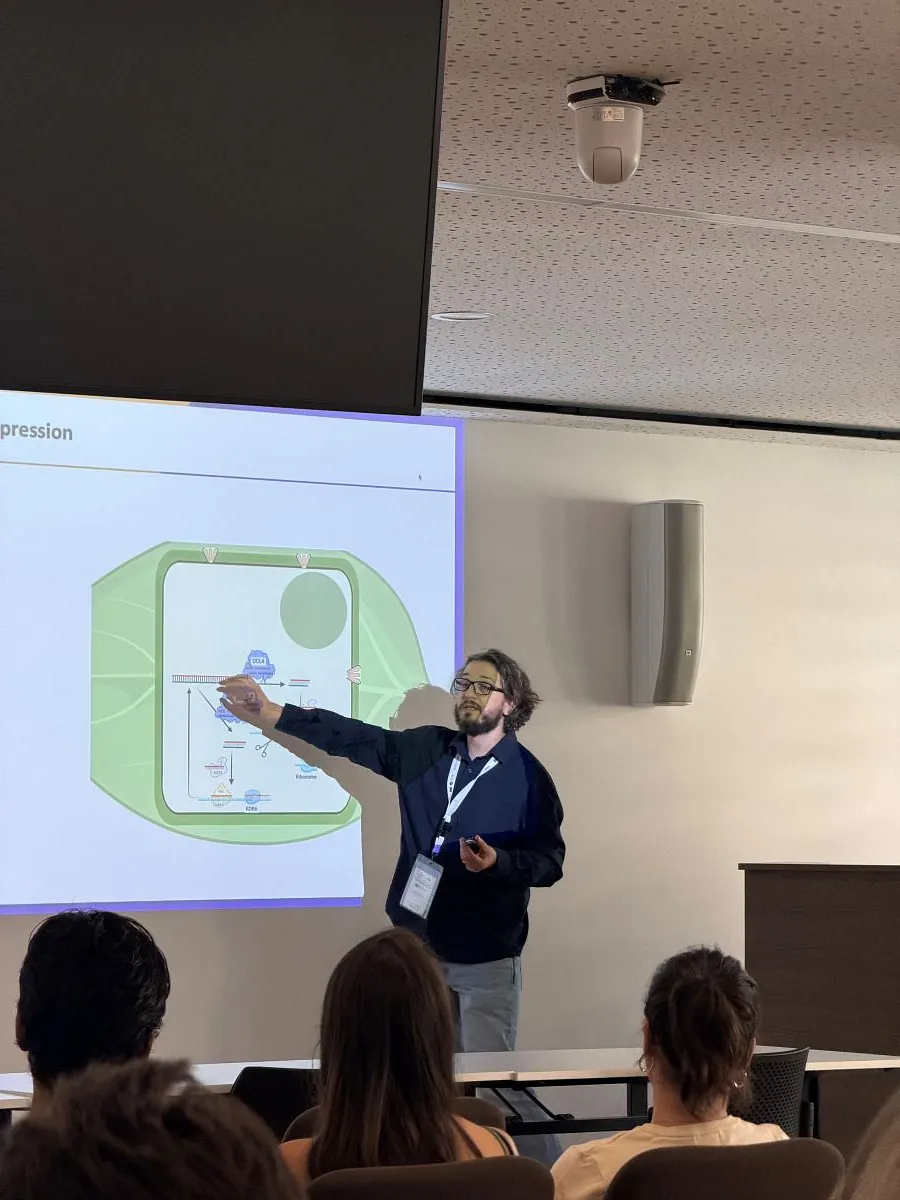
The programme featured a range of advanced training sessions covering essential methodologies and concepts in viroid research, alongside modules focused on transferable skills, including:
- Exogenous RNA applications reveal novel aspects of sRNA processing in crop plants by Veli Vural Uslu, AgroScience GmbH
- Microscopy methods by Mathieu Erhardt and Jerome Mutterer, CNRS
- AI Methods for image analysis by Sebastien Herbert, CNRS
- Viroid identification using classical and new technologies by Beatriz Navarro Ramirez, CNR
- Nanopore technology by Todd Blevins, CNRS
- Nanopore sequencing reveals viroid species-specific replication intermediates in hop by Jernej Jakše, UL
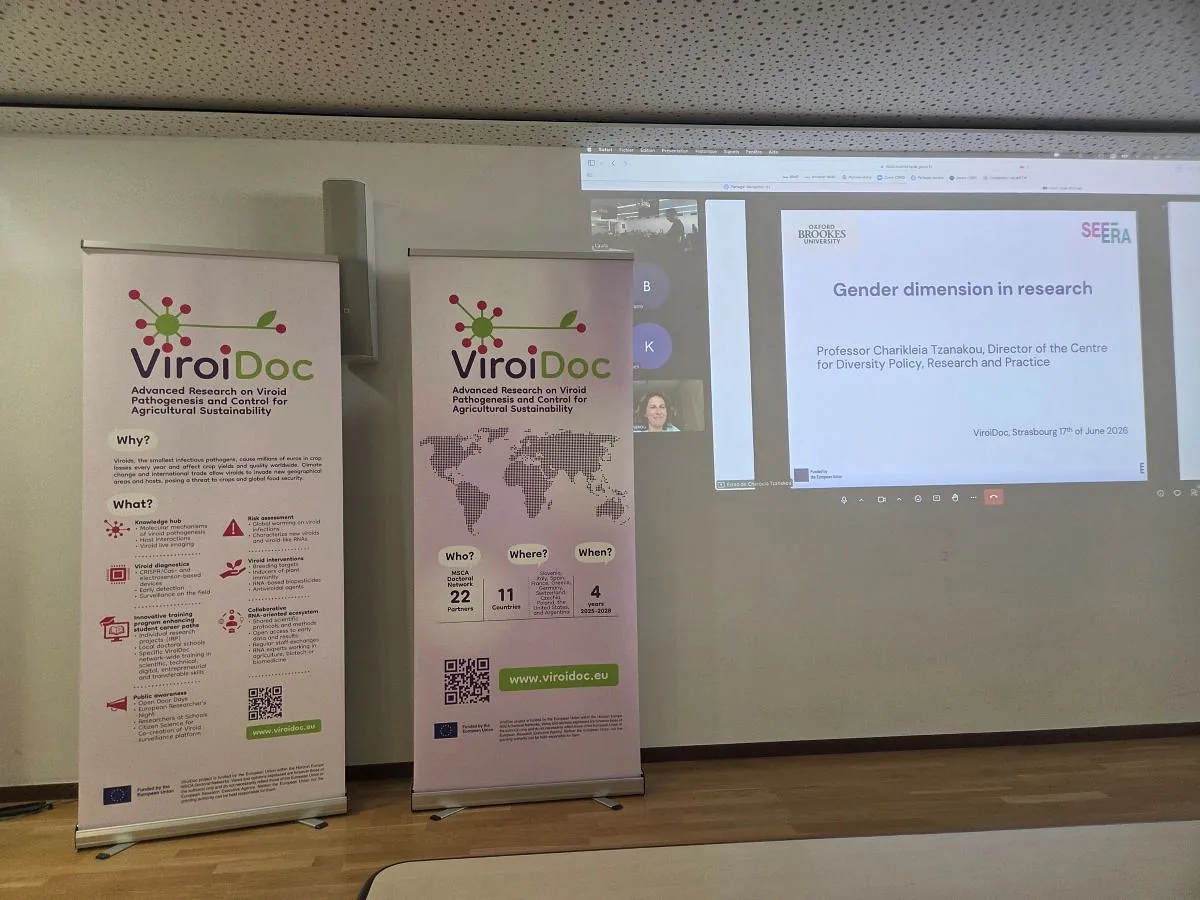
- Introducing the gender dimension in research content by Charoula Tzanakou, Oxford Brooks Uni
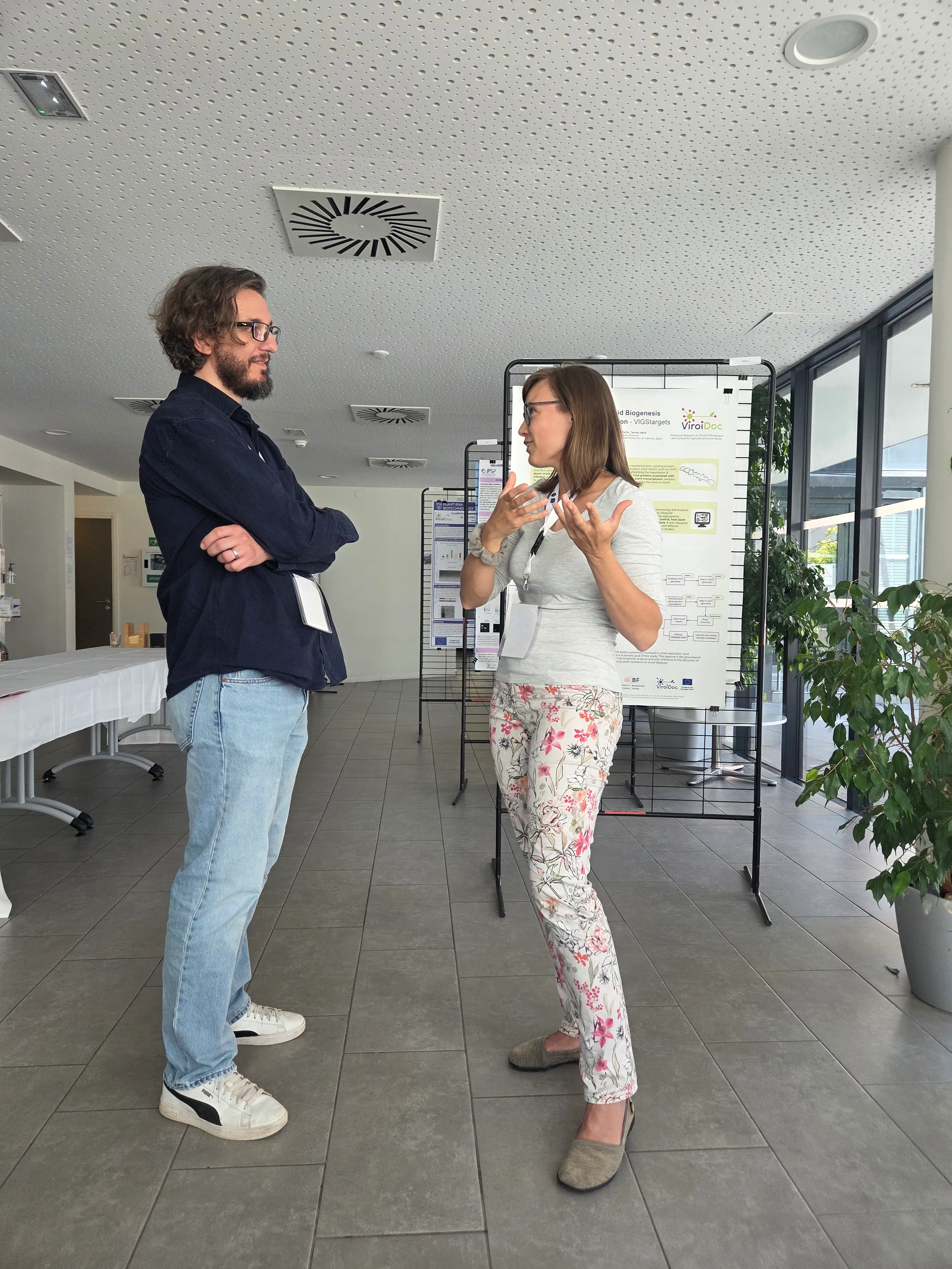
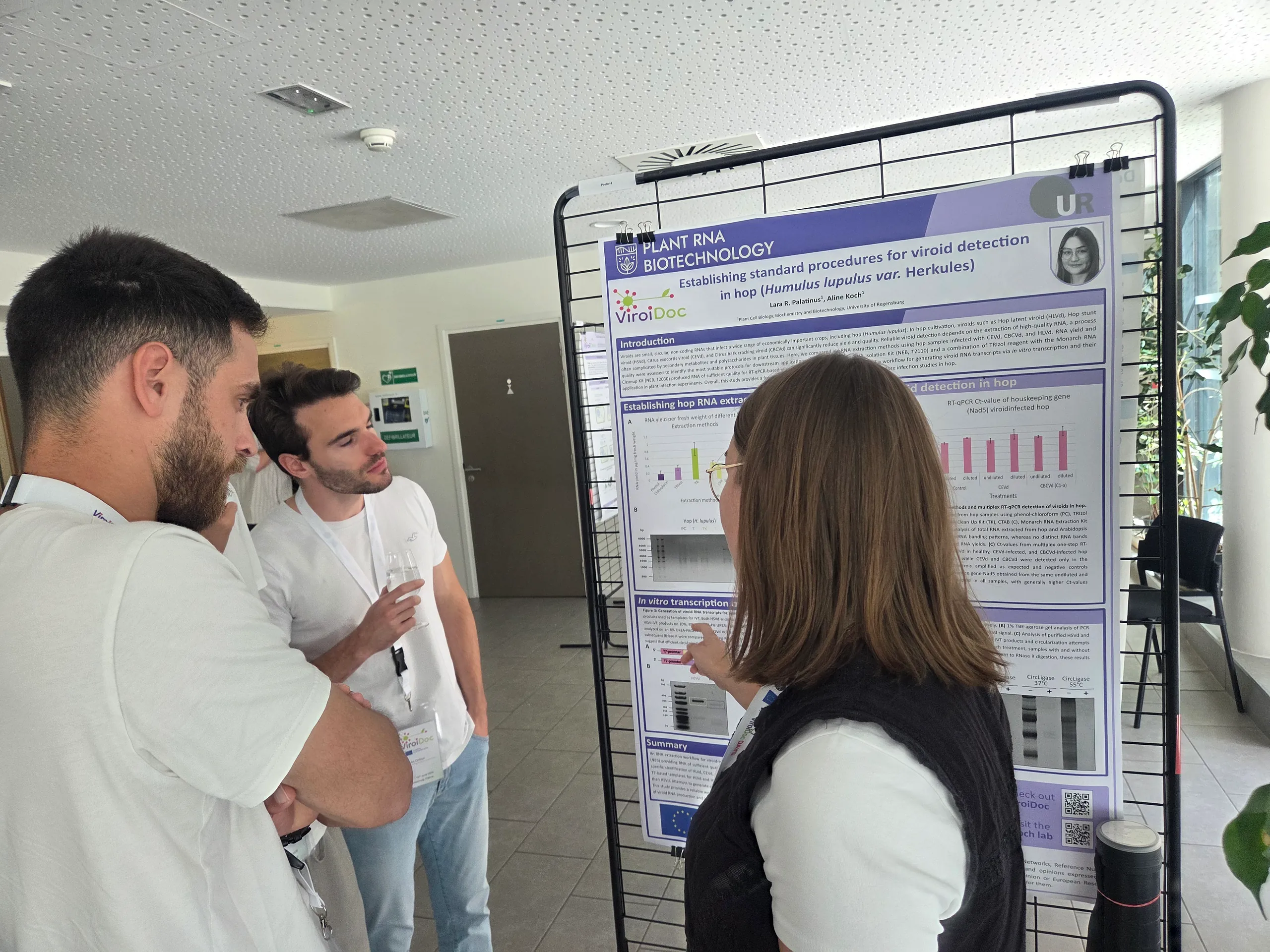
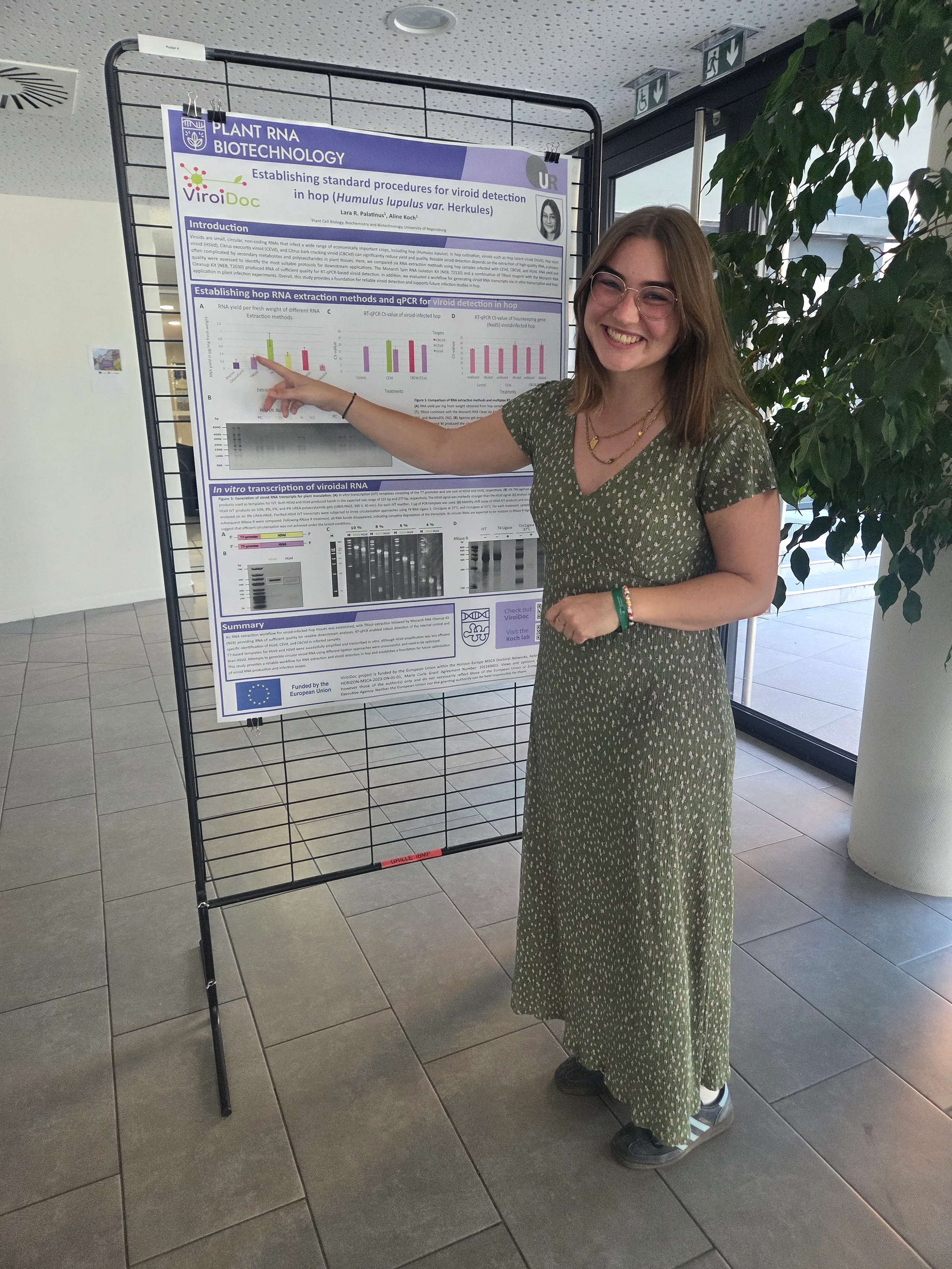
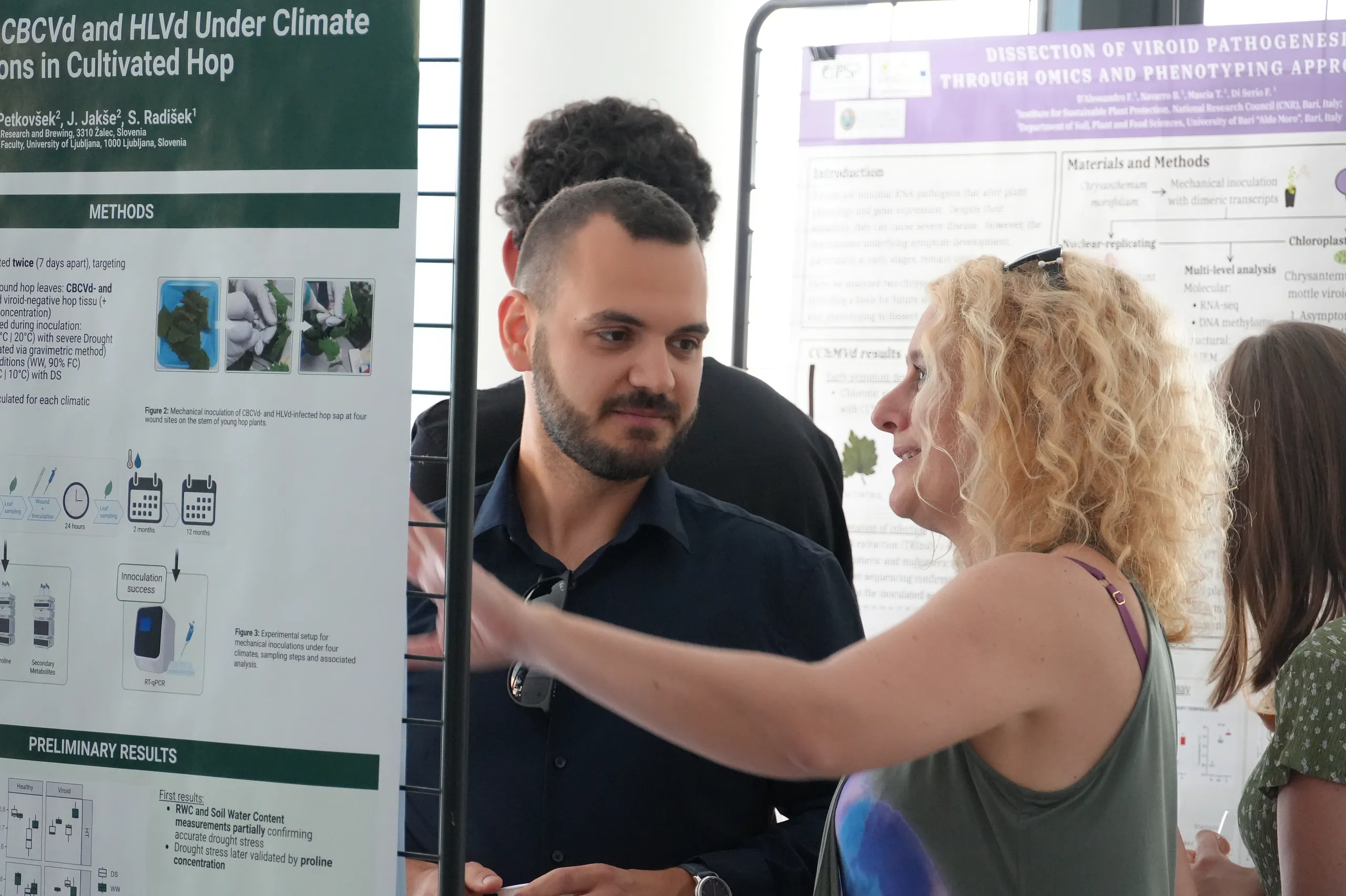
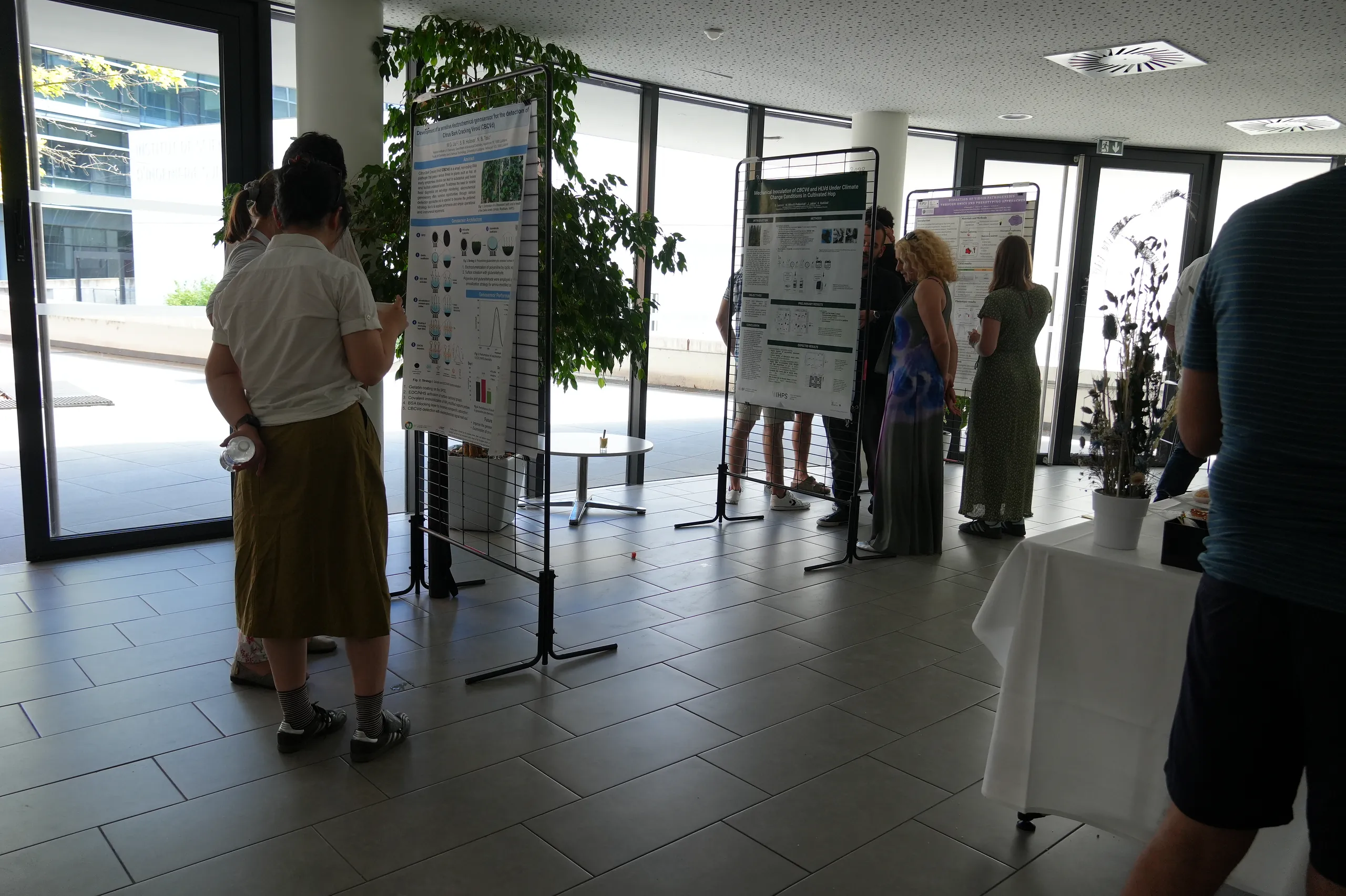
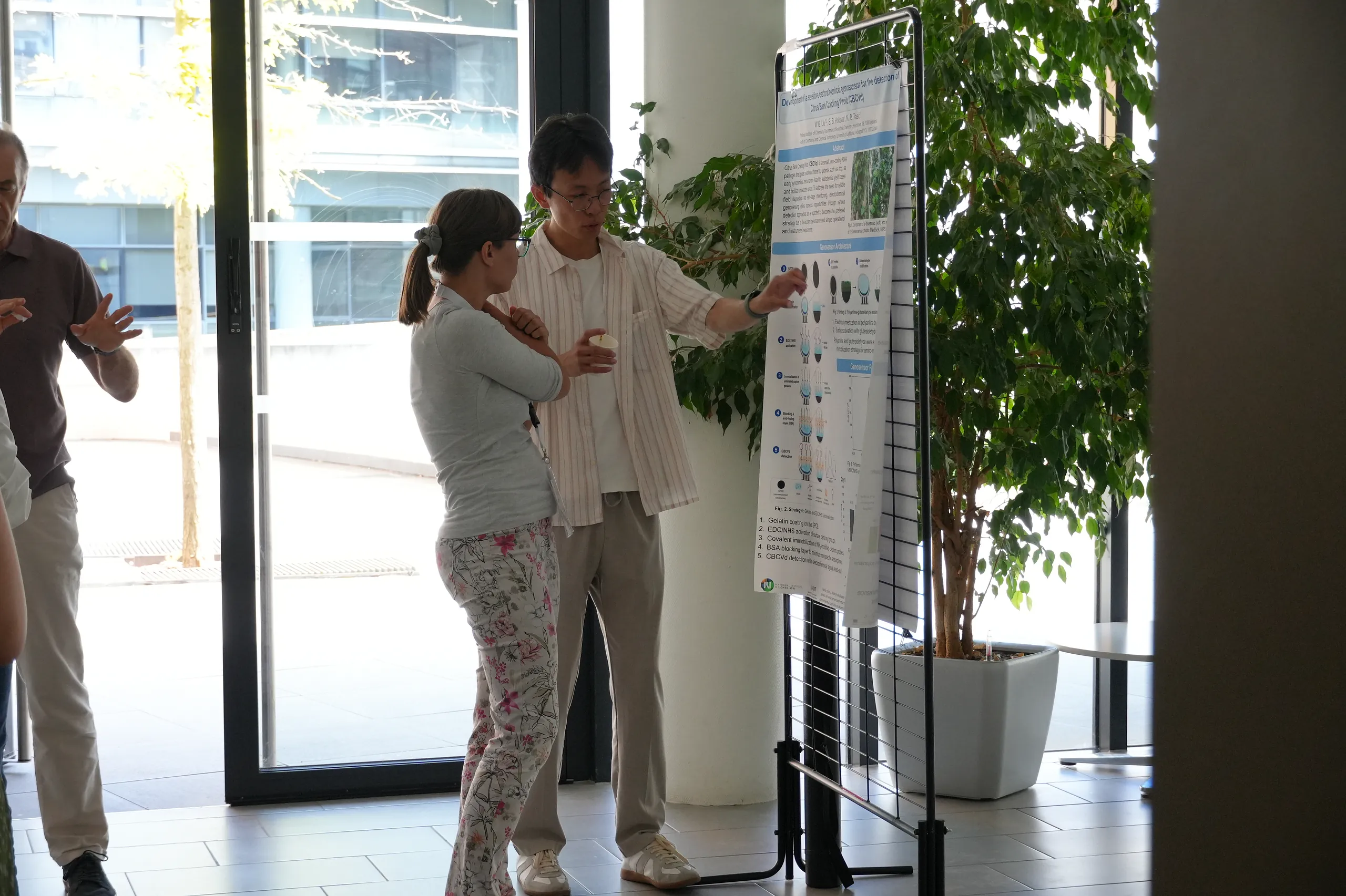
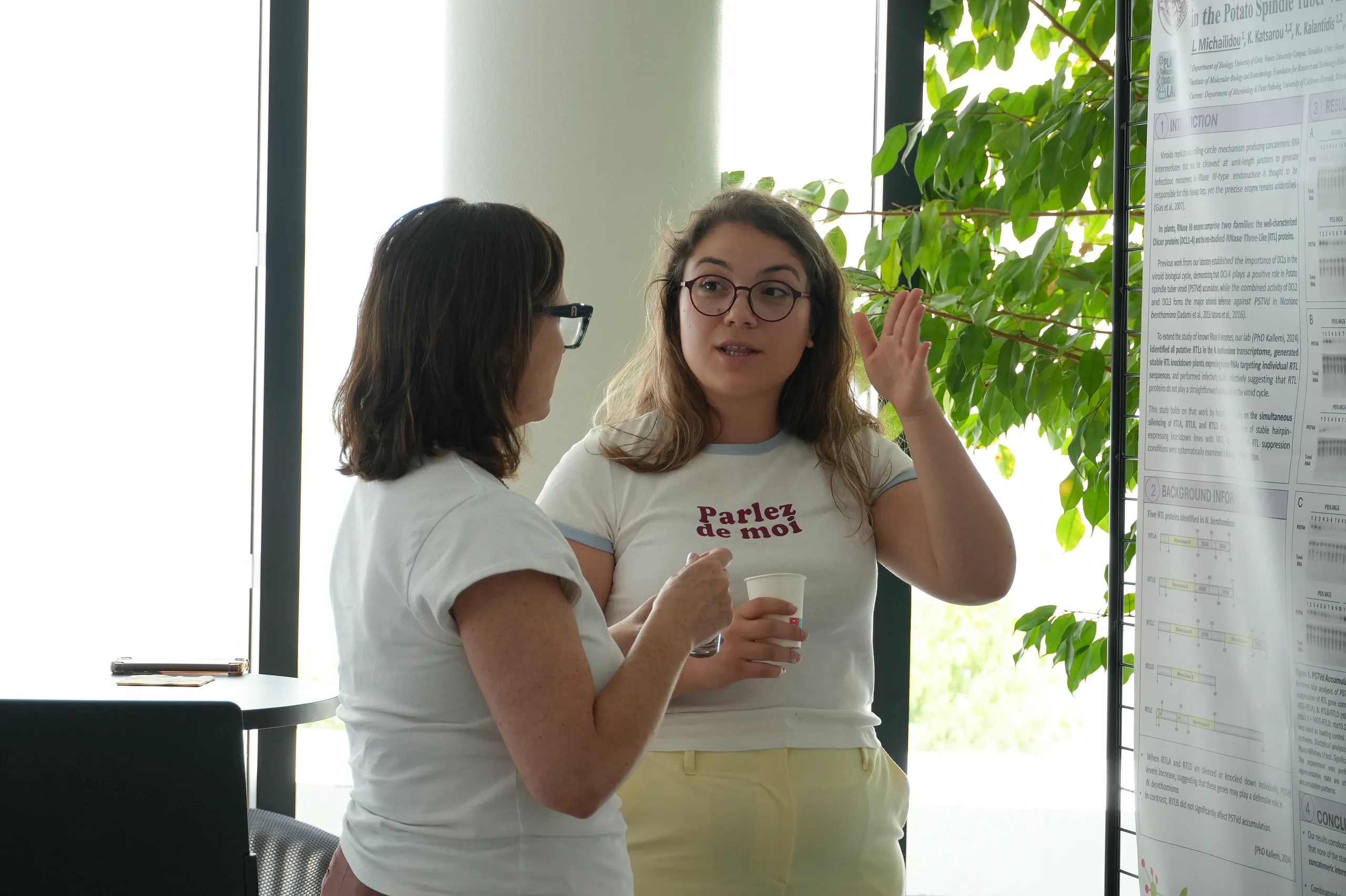
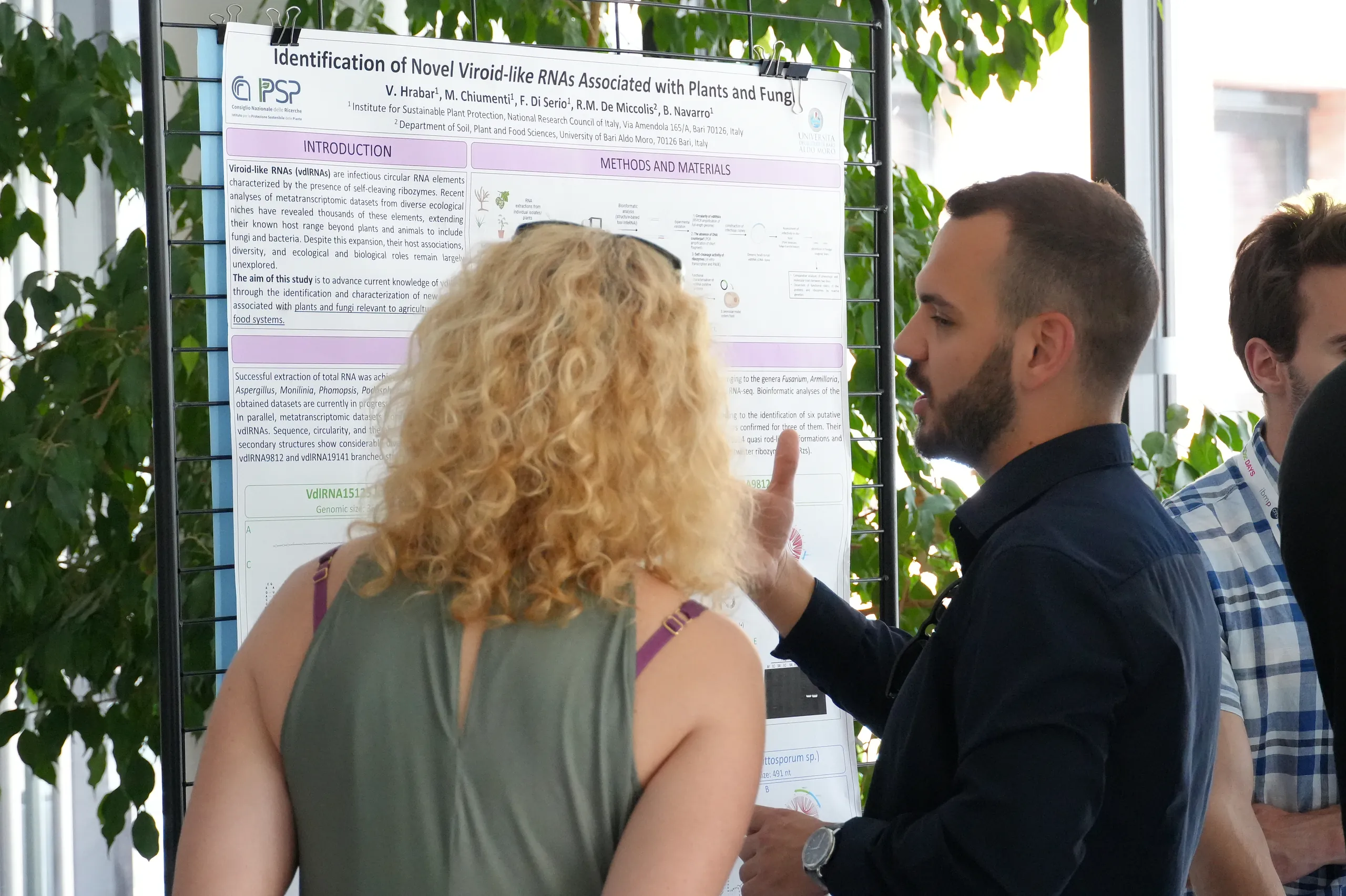
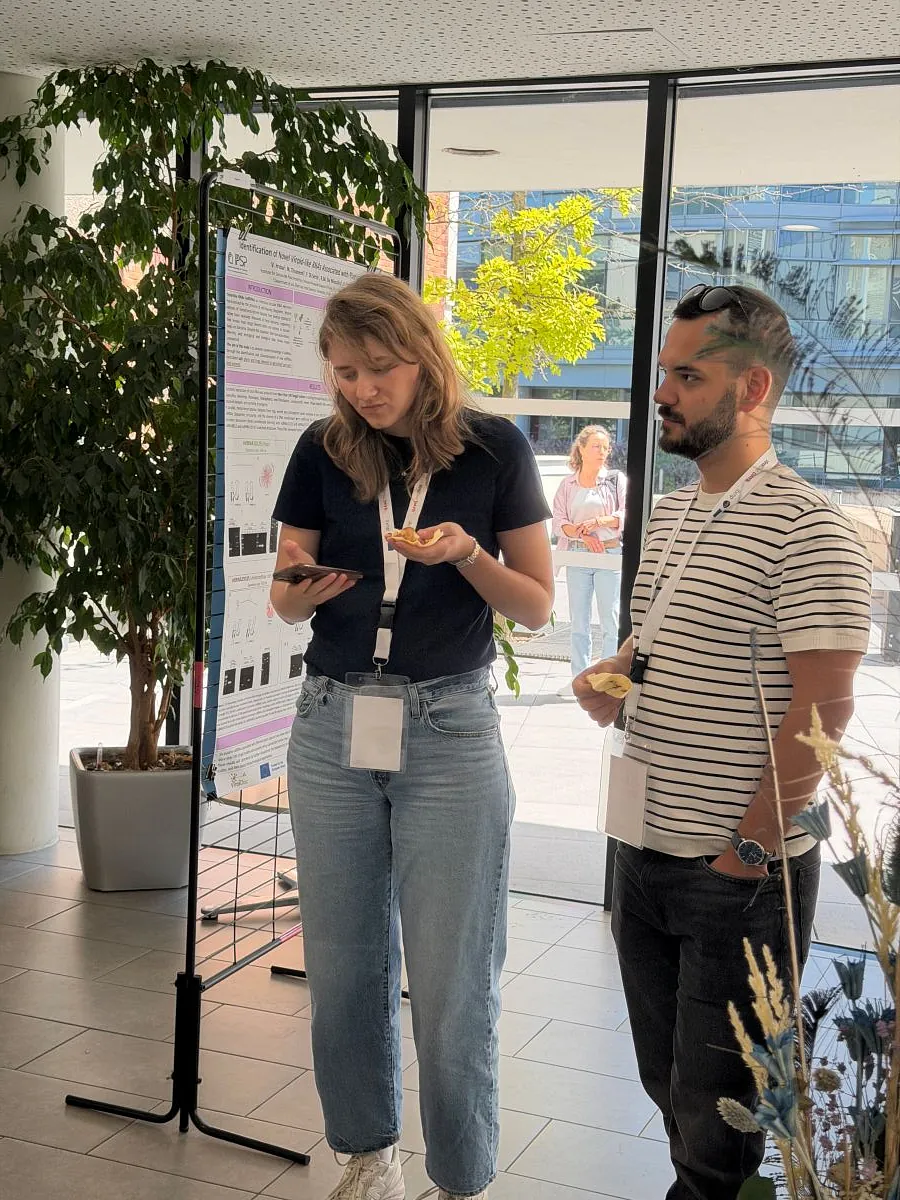
A highlight of the week was the poster session, during which DCs presented their latest research findings and engaged in constructive scientific discussions with fellow researchers and supervisors. The poster presented by Linh Thi Thuy Le received the highest evaluation score and was recognised with a practical award presented by the consortium.
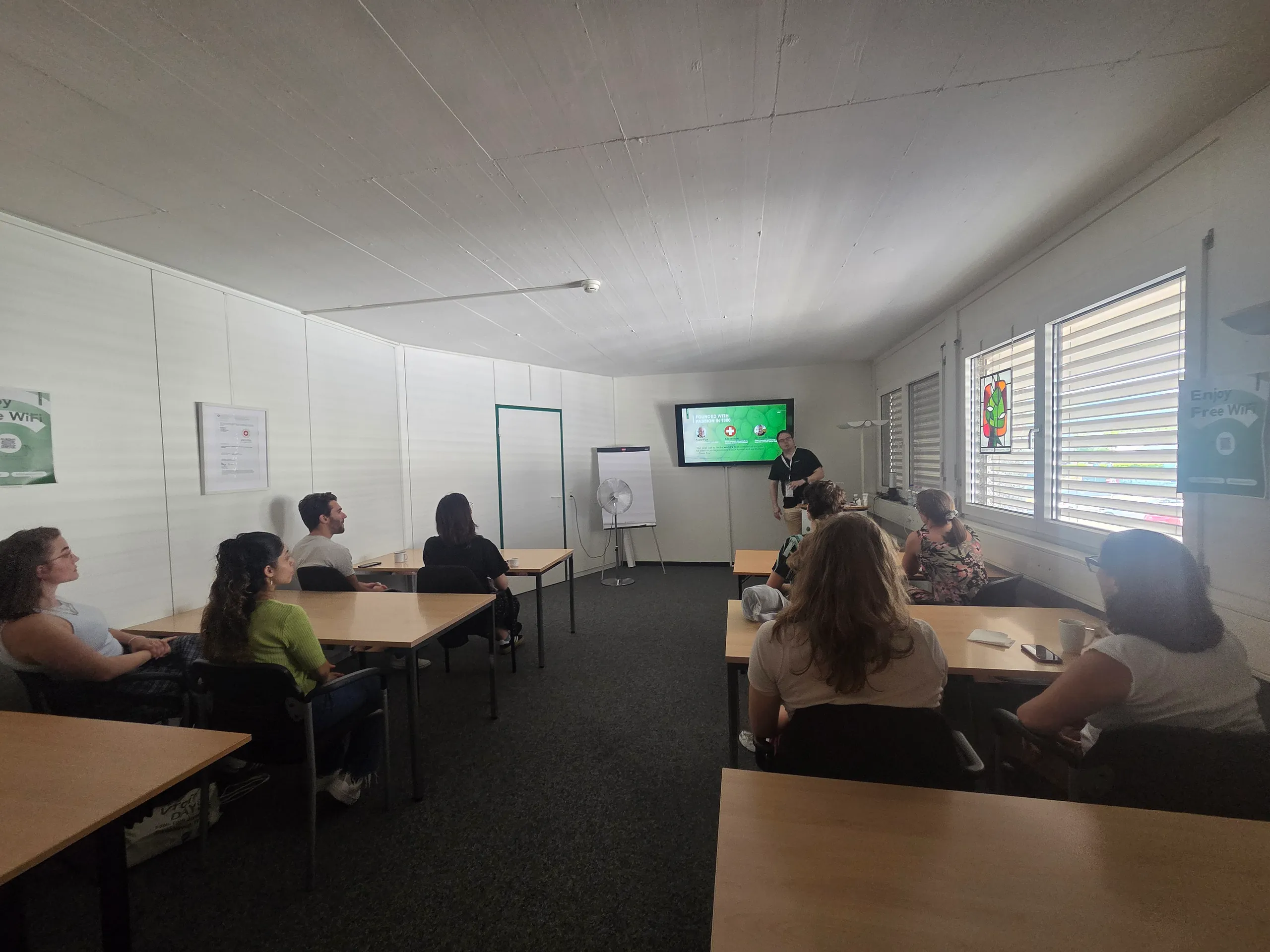
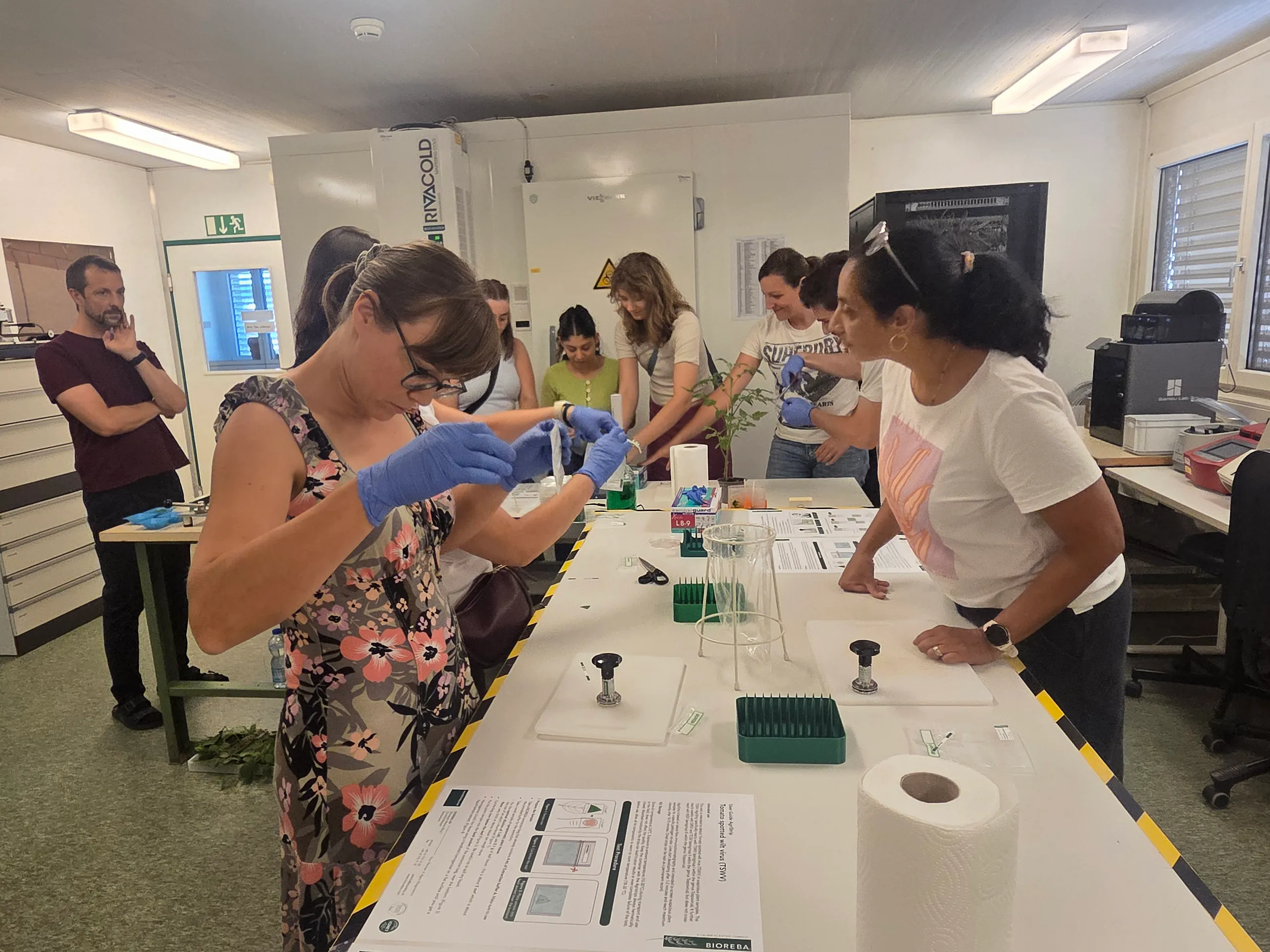
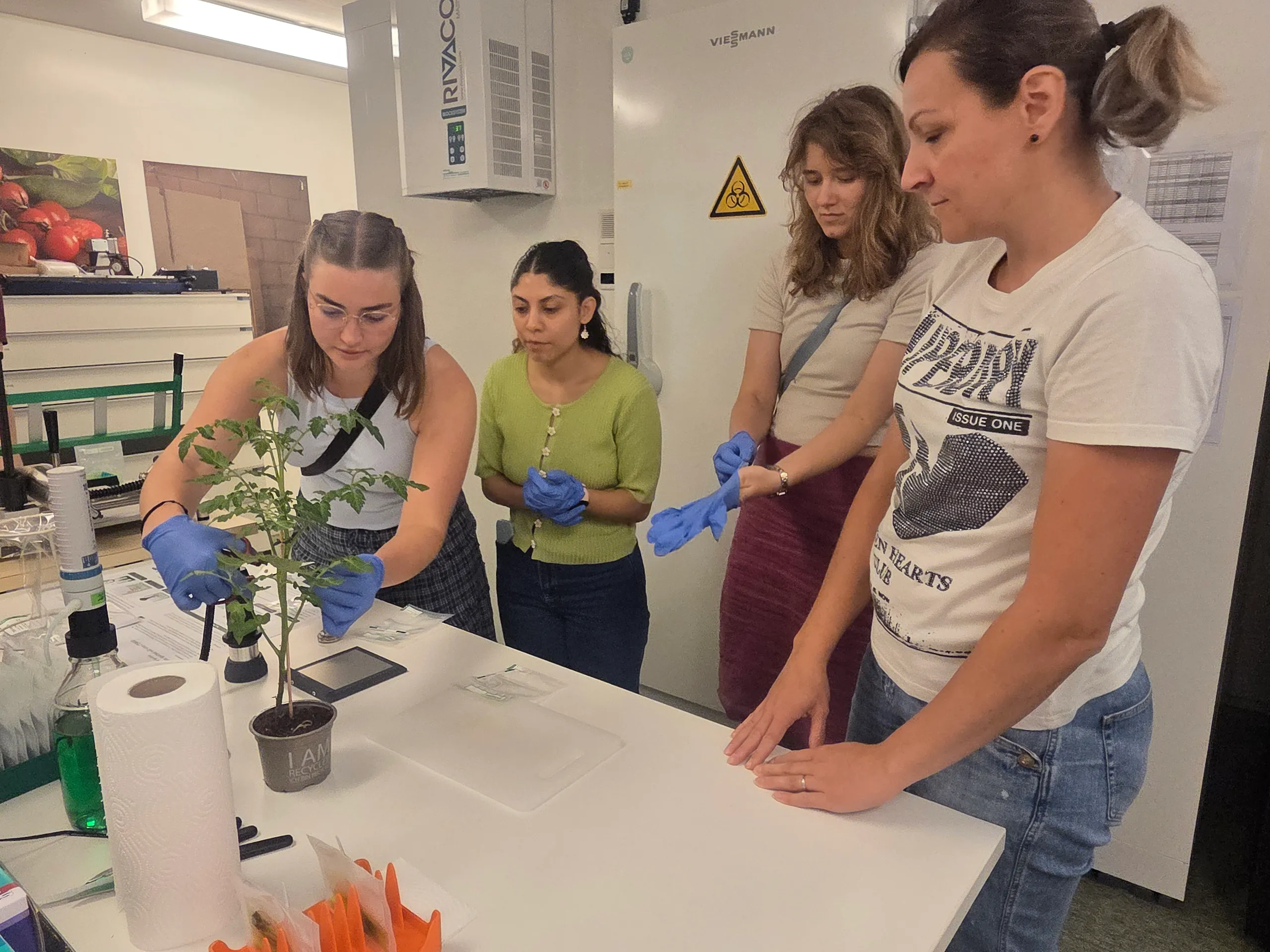
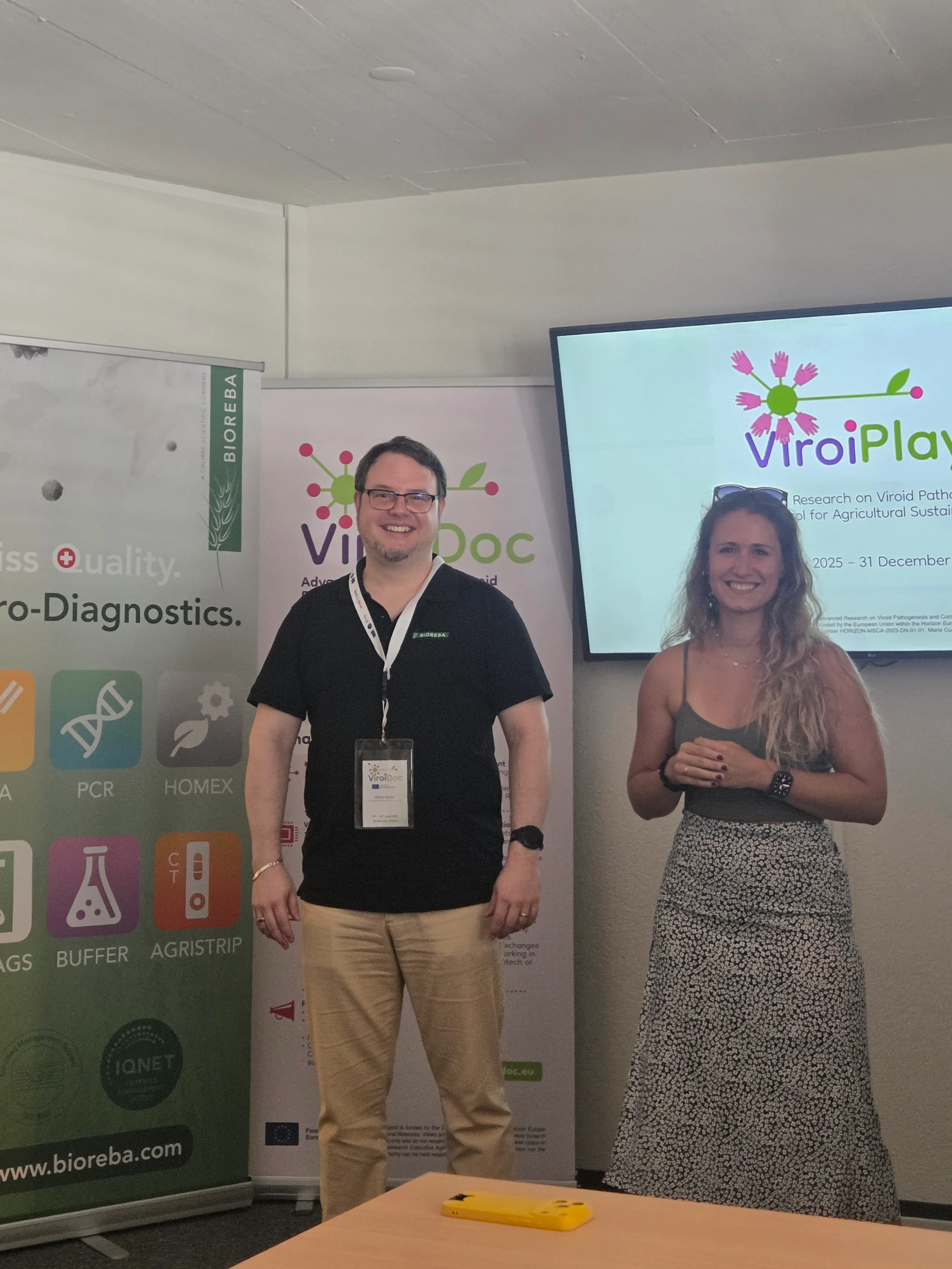
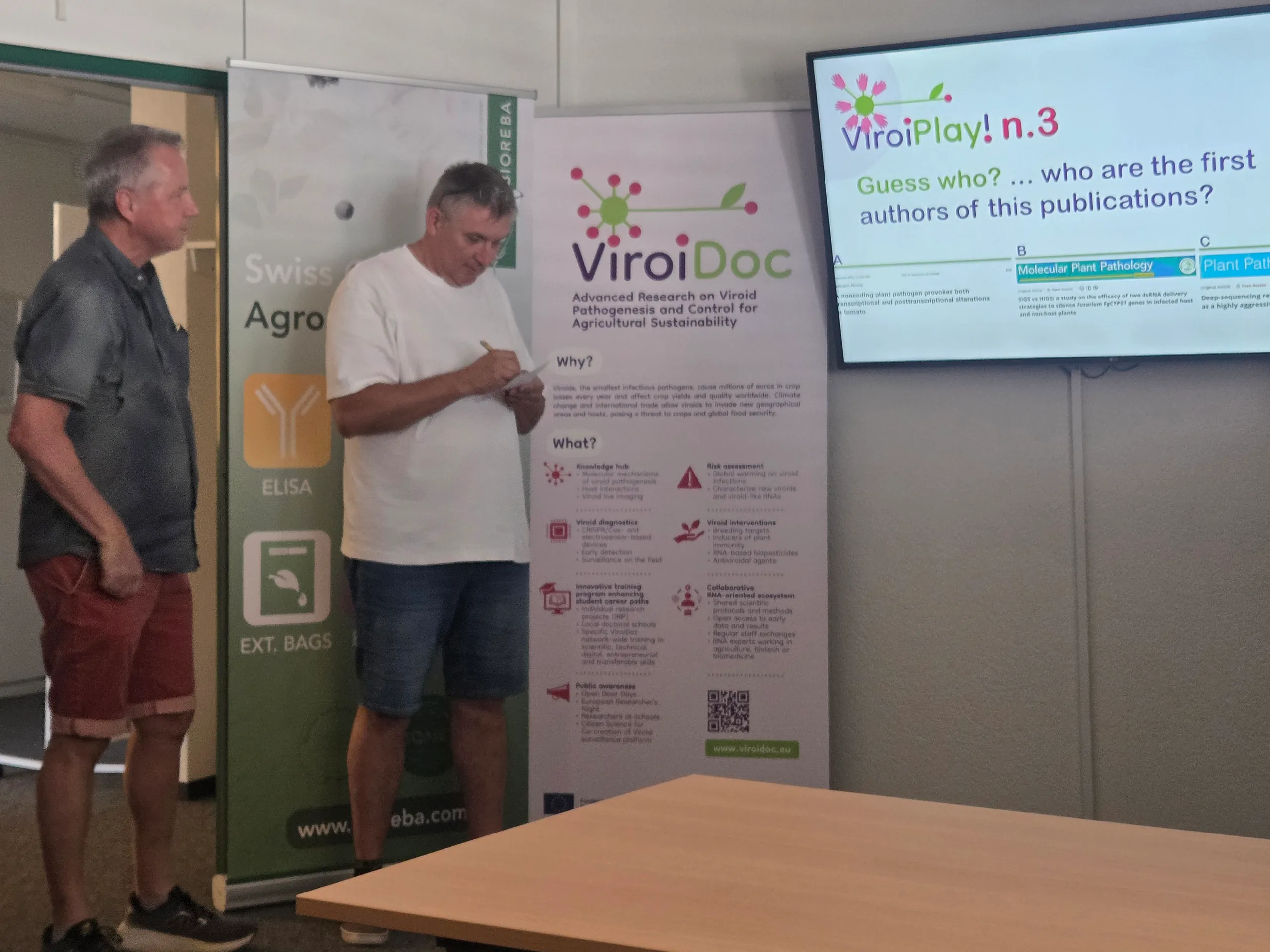
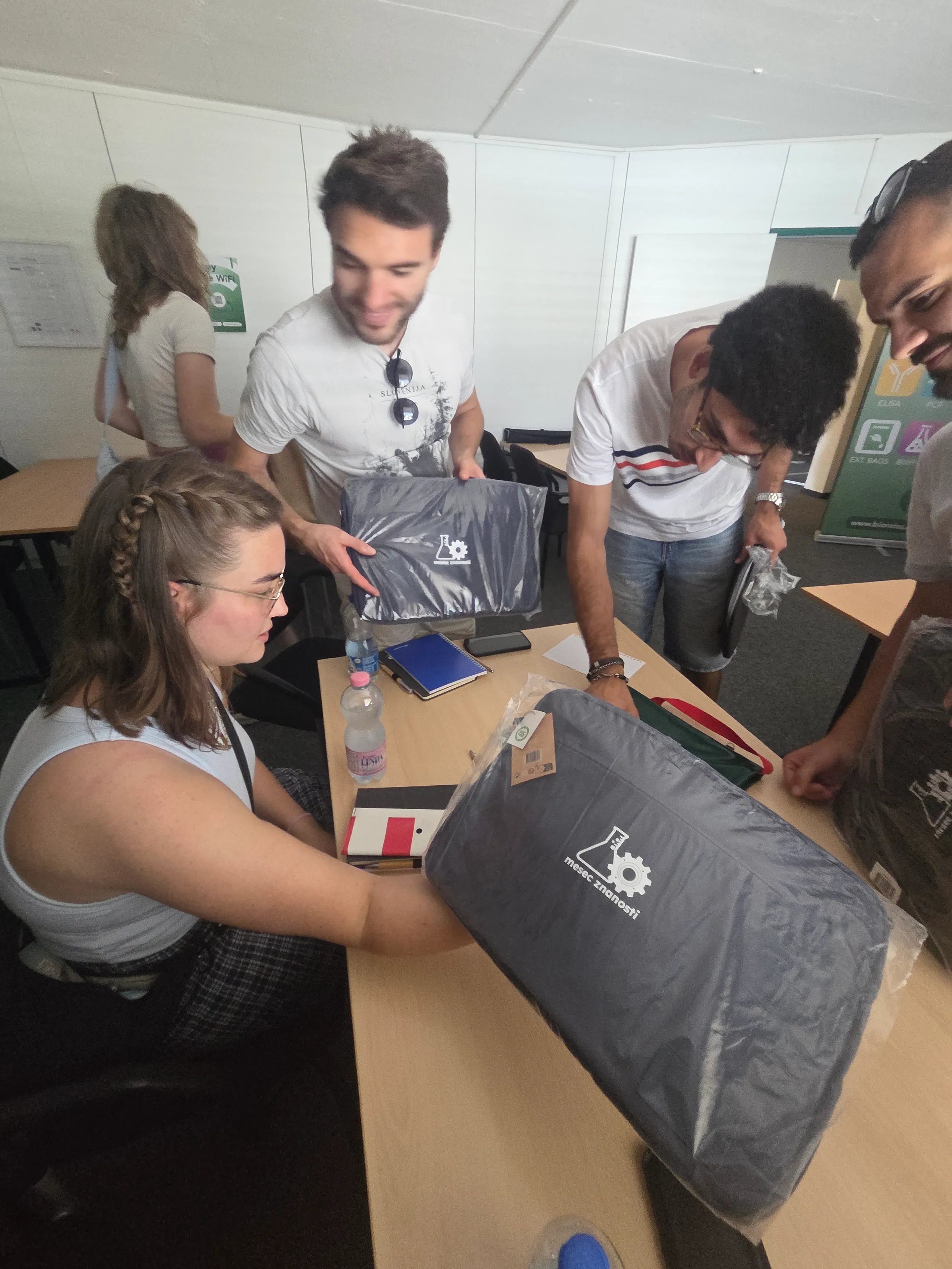
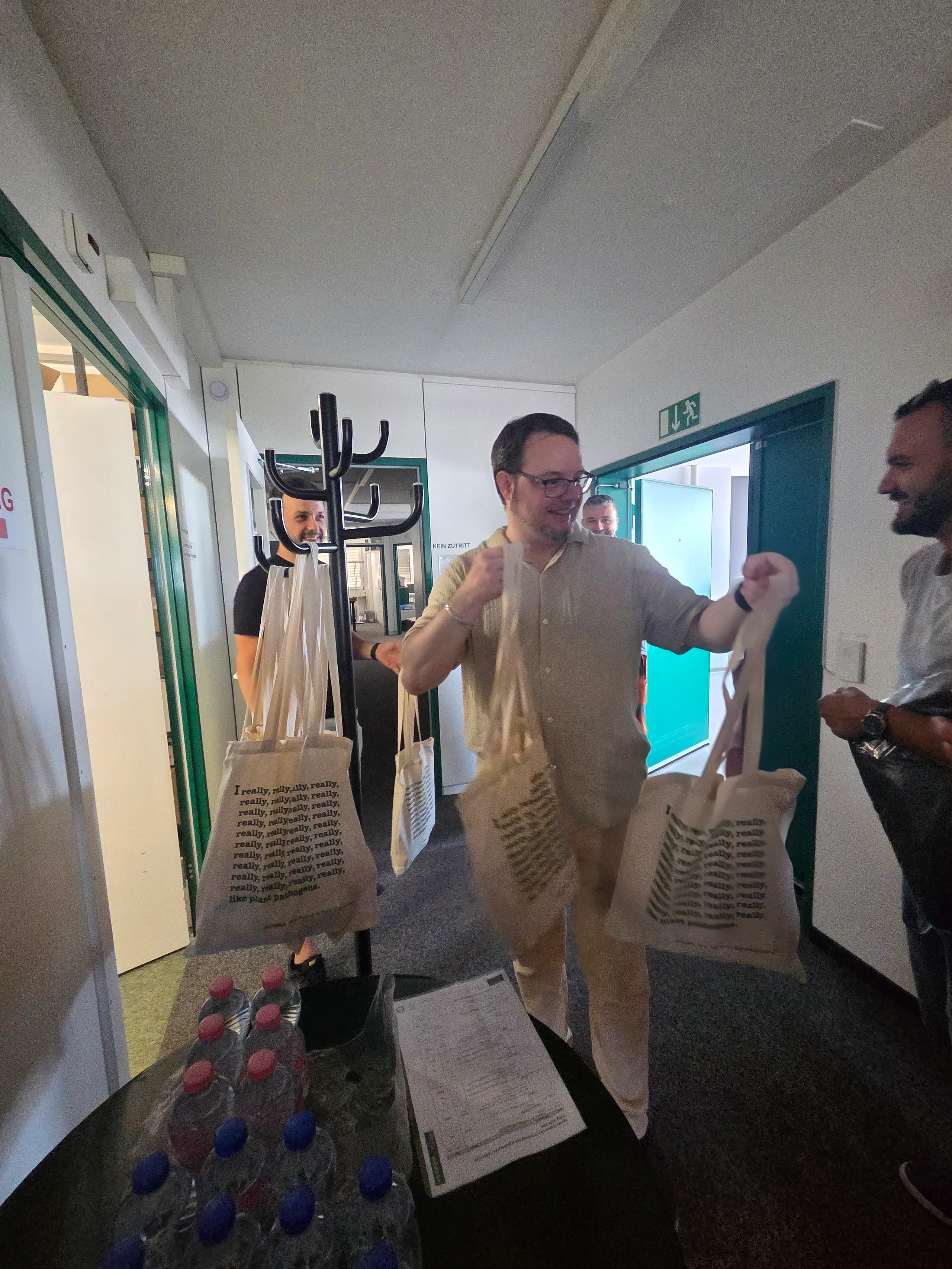
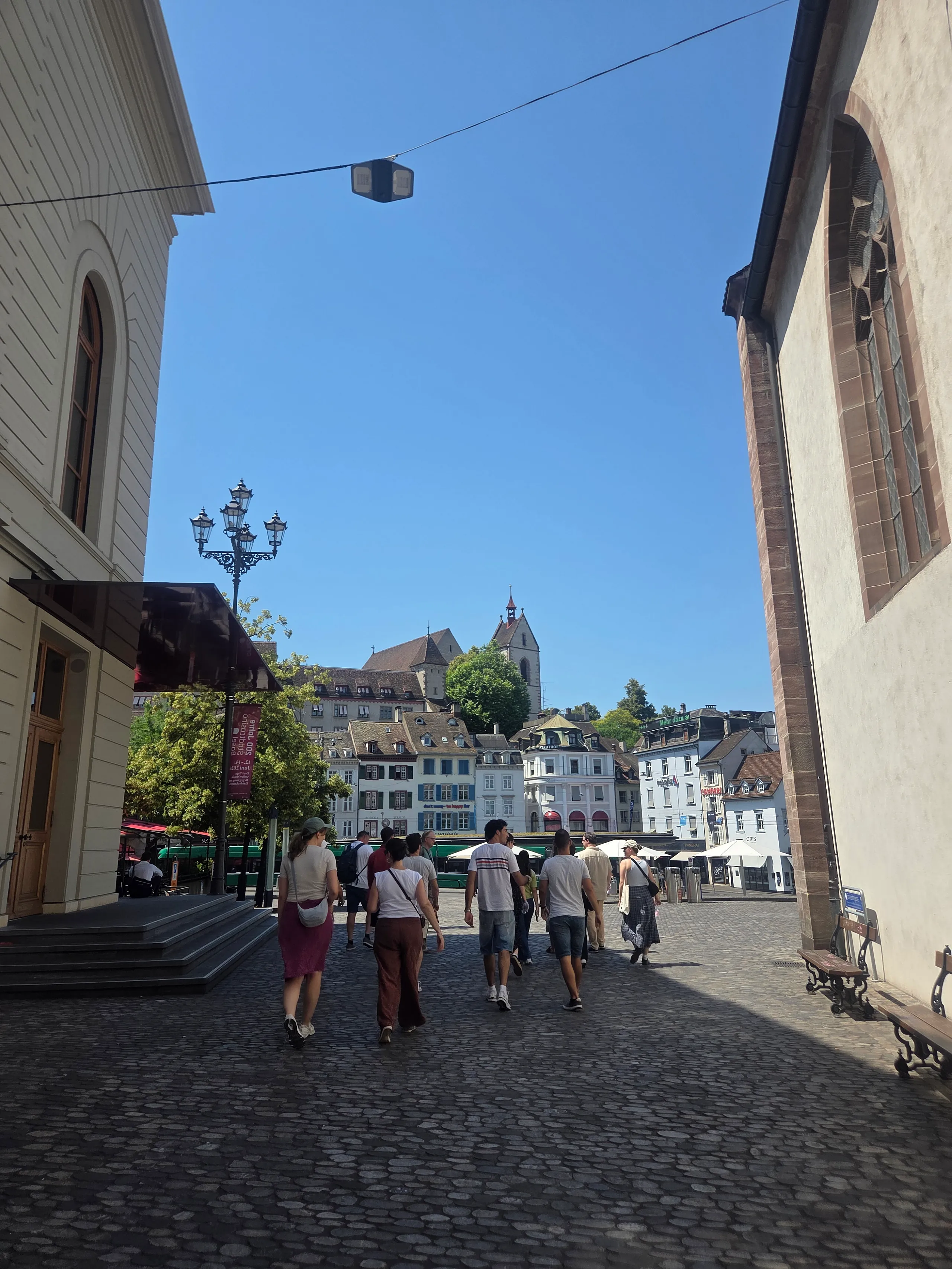
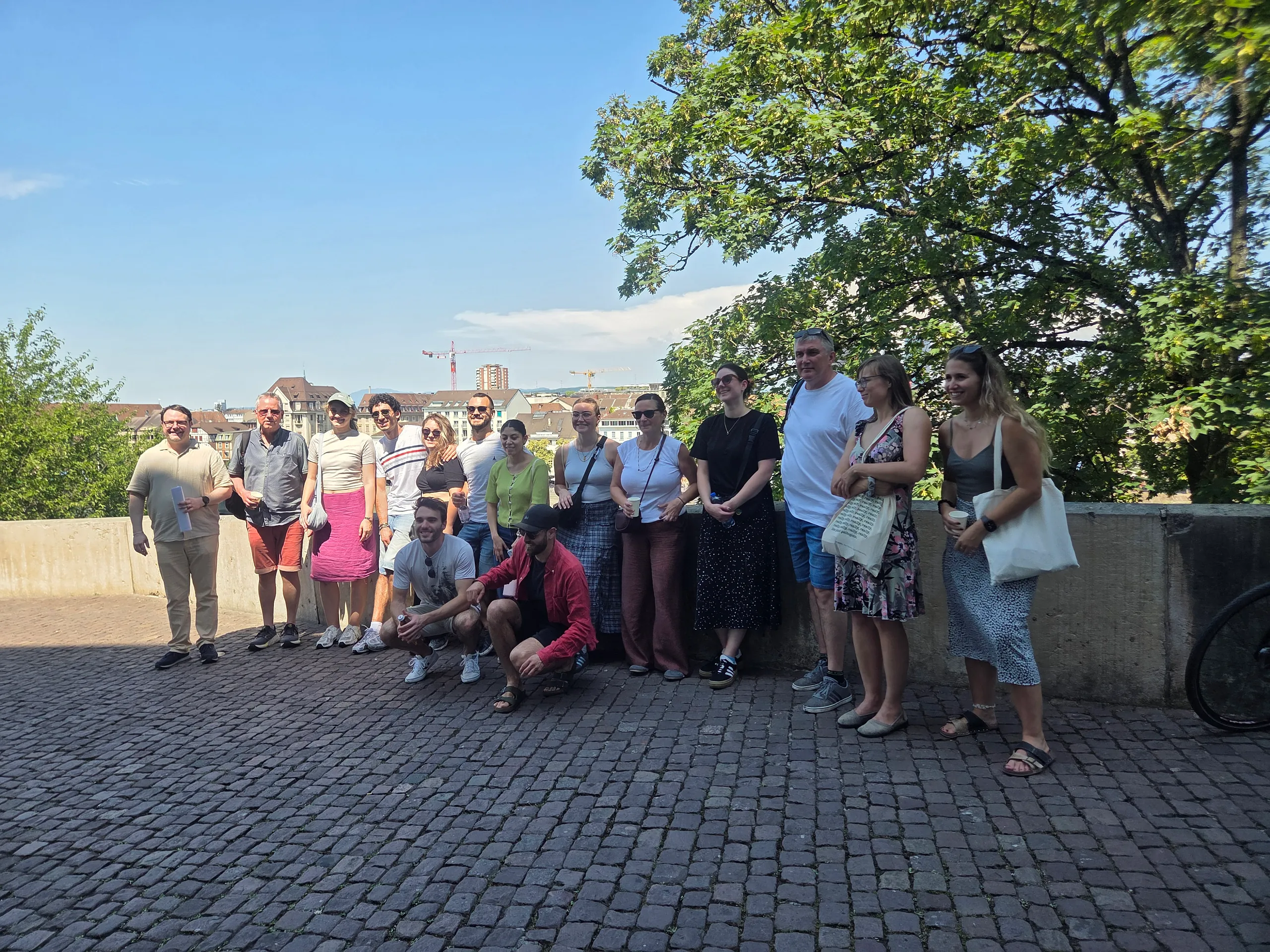
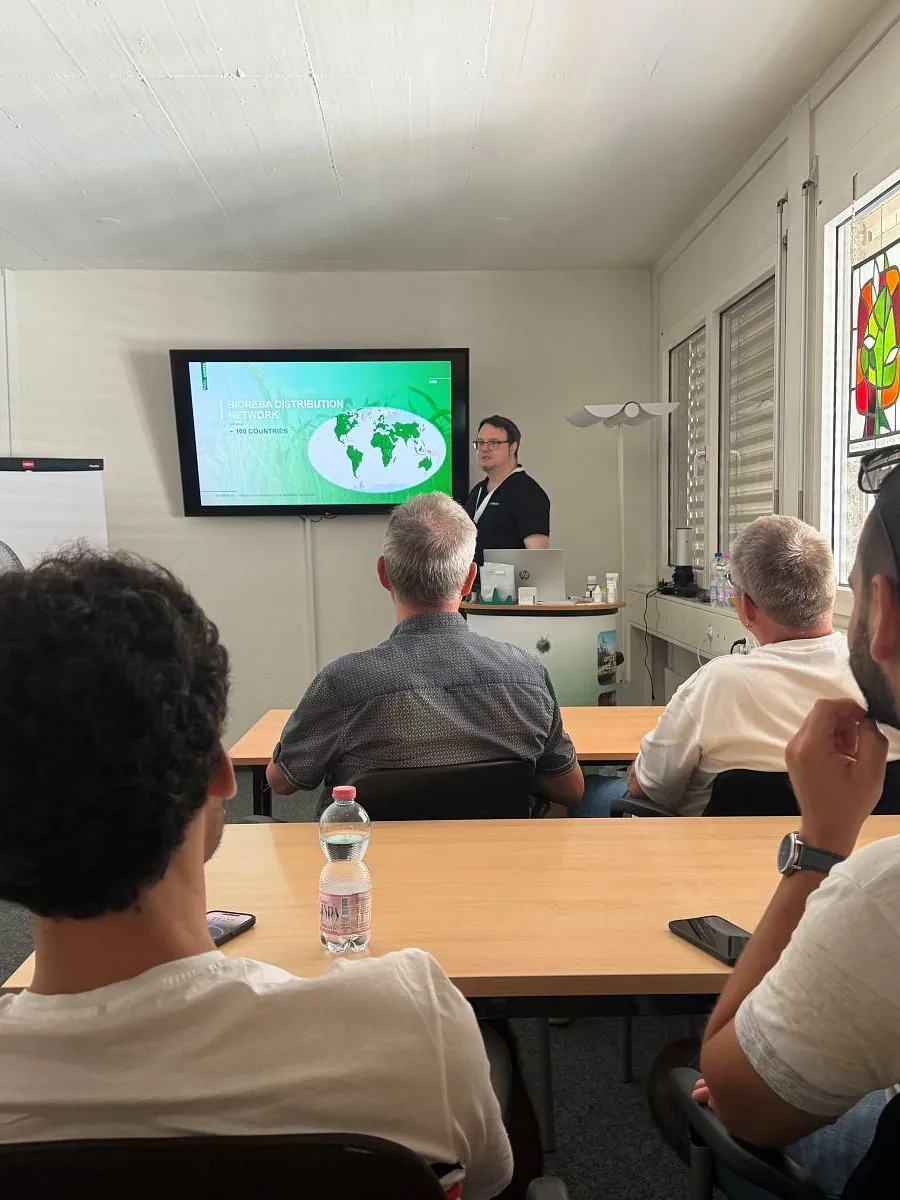
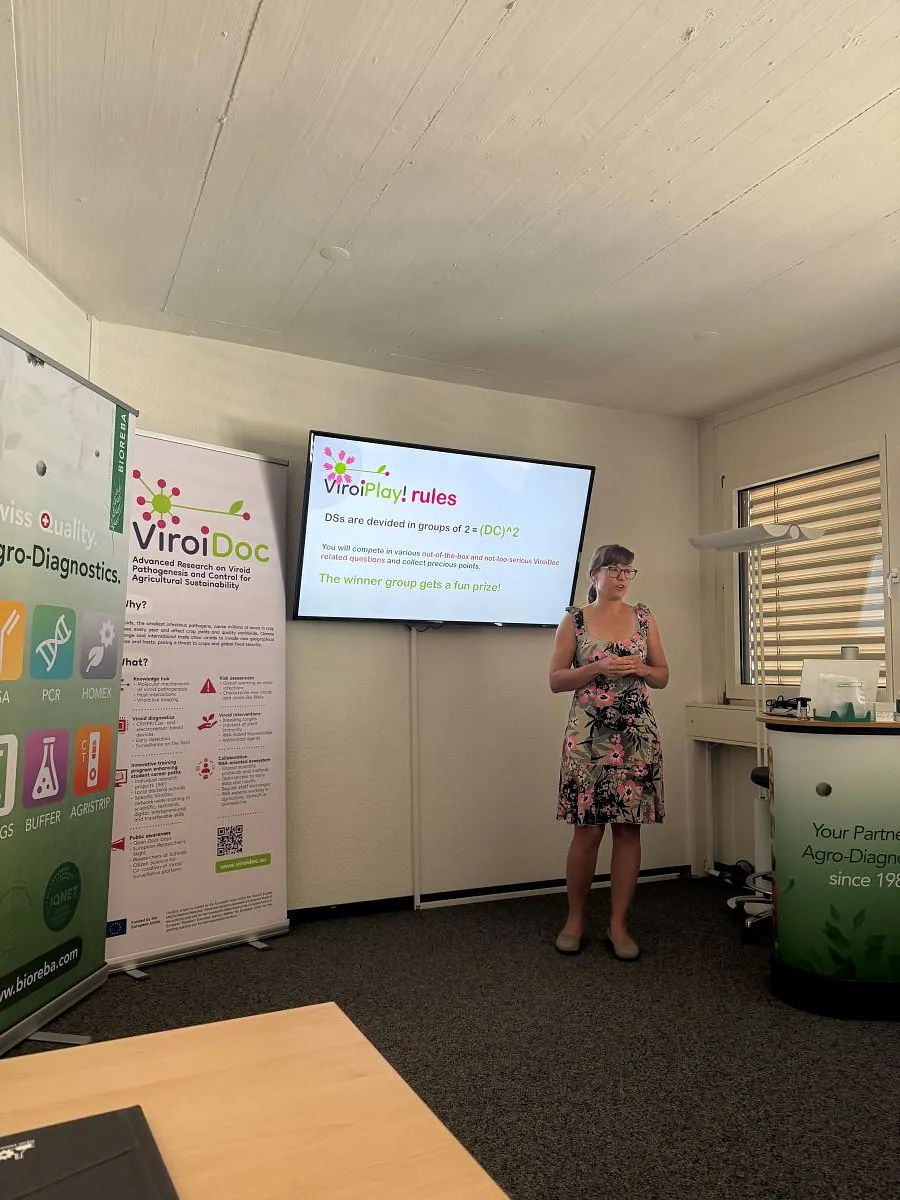
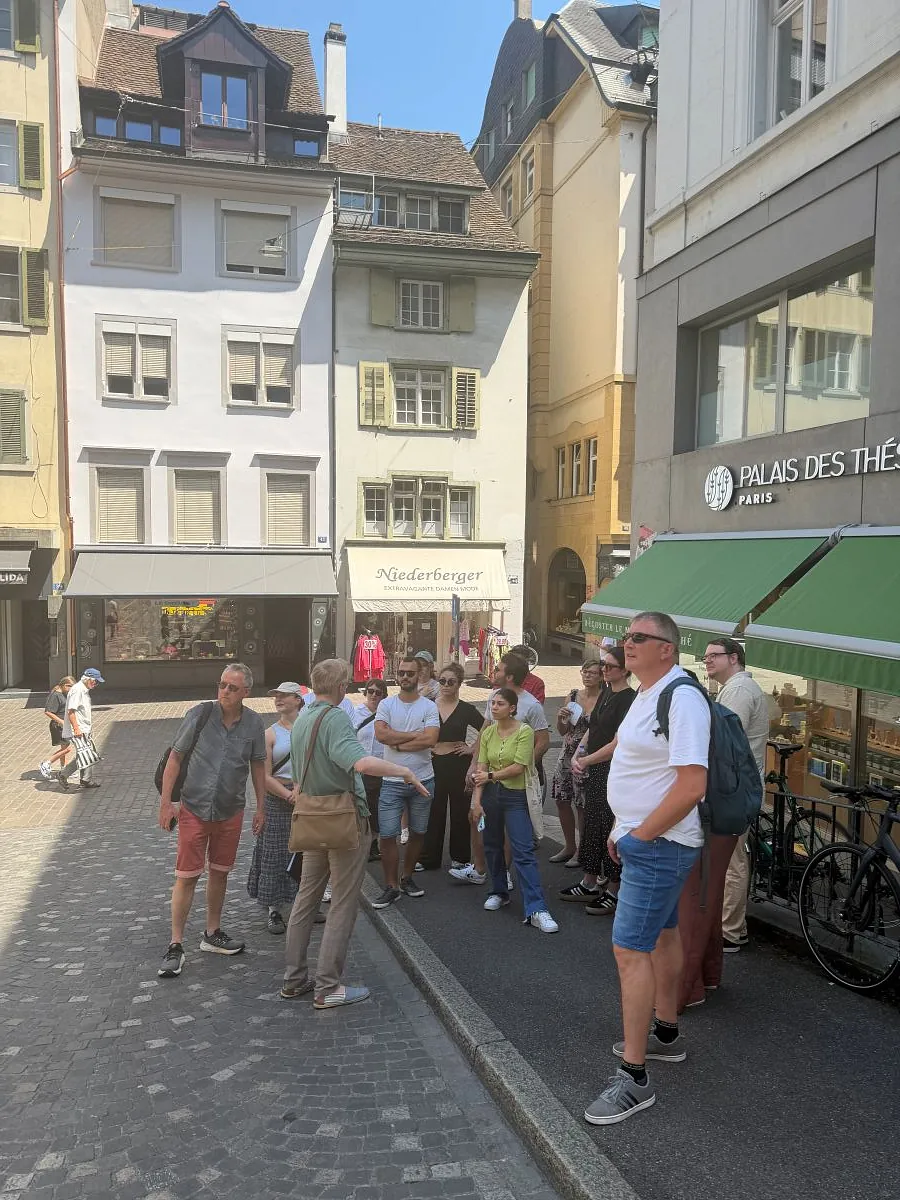
The scientific programme was further enriched by a study visit to Bioreba, a ViroiDoc project partner based in Switzerland. The visit provided participants with valuable insights into the application of diagnostic technologies in an industrial setting and highlighted the link between research and practical implementation.
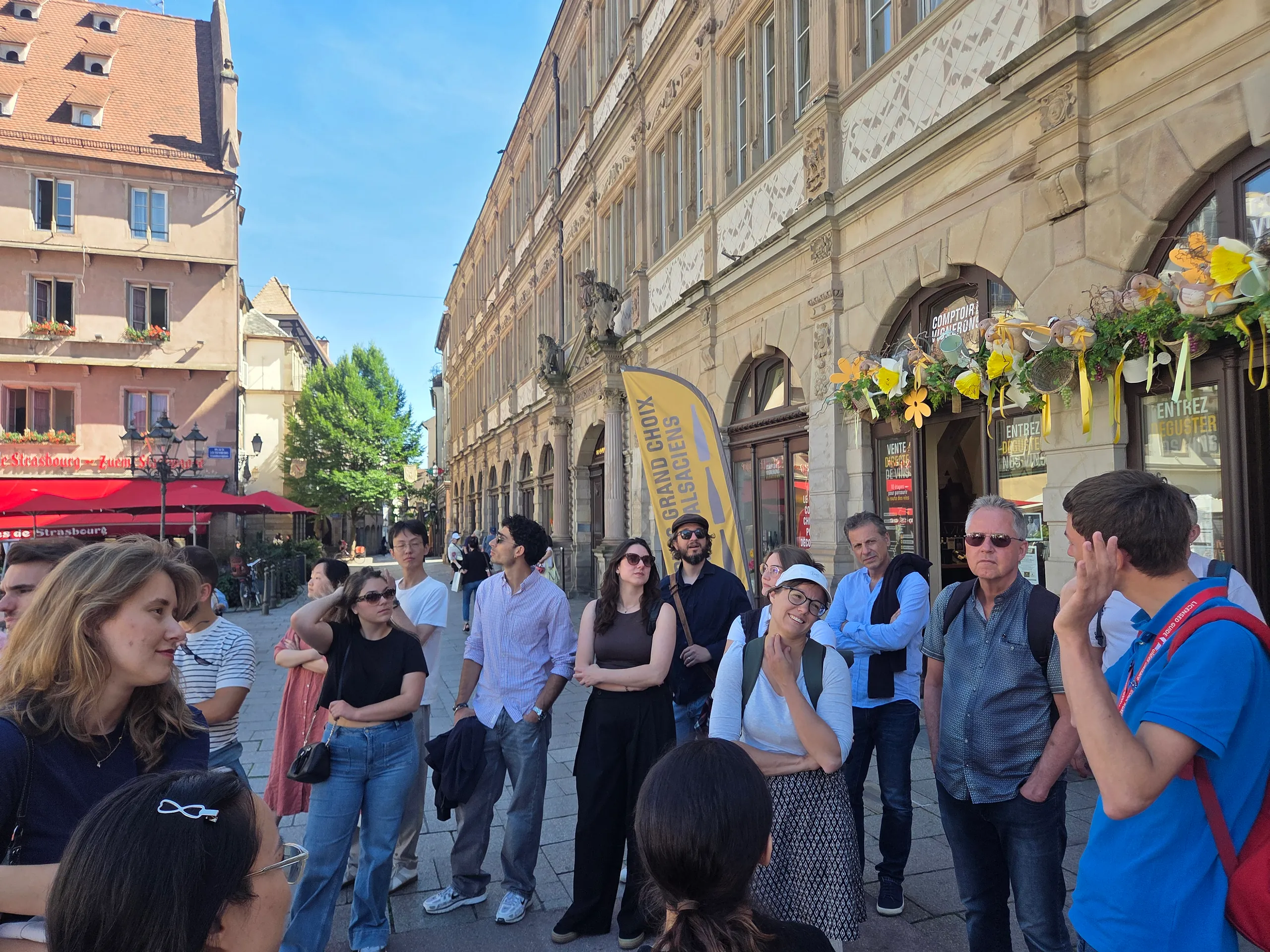
Participants also had the opportunity to attend the StrasRNA Salon on 18 June, enabling interaction with the broader RNA research community and fostering new opportunities for scientific networking and collaboration.
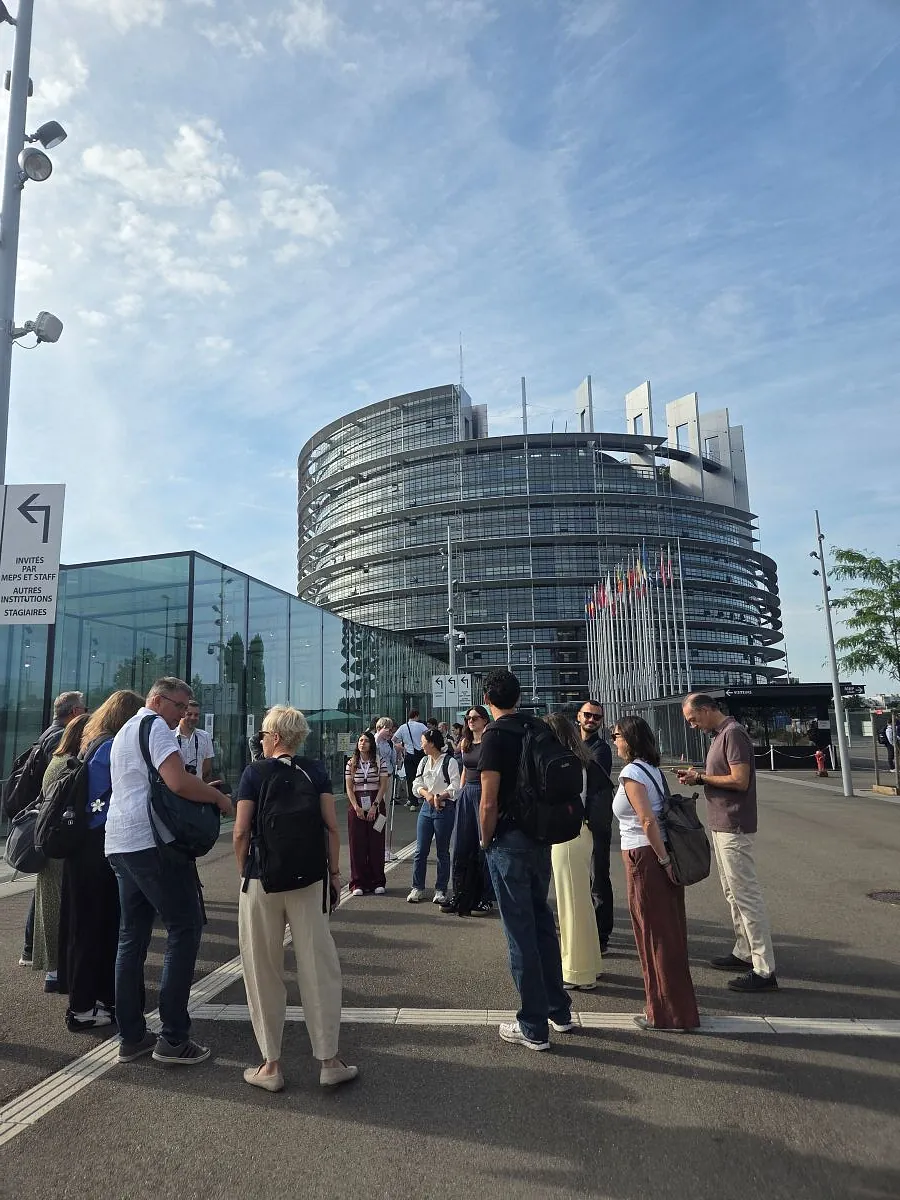
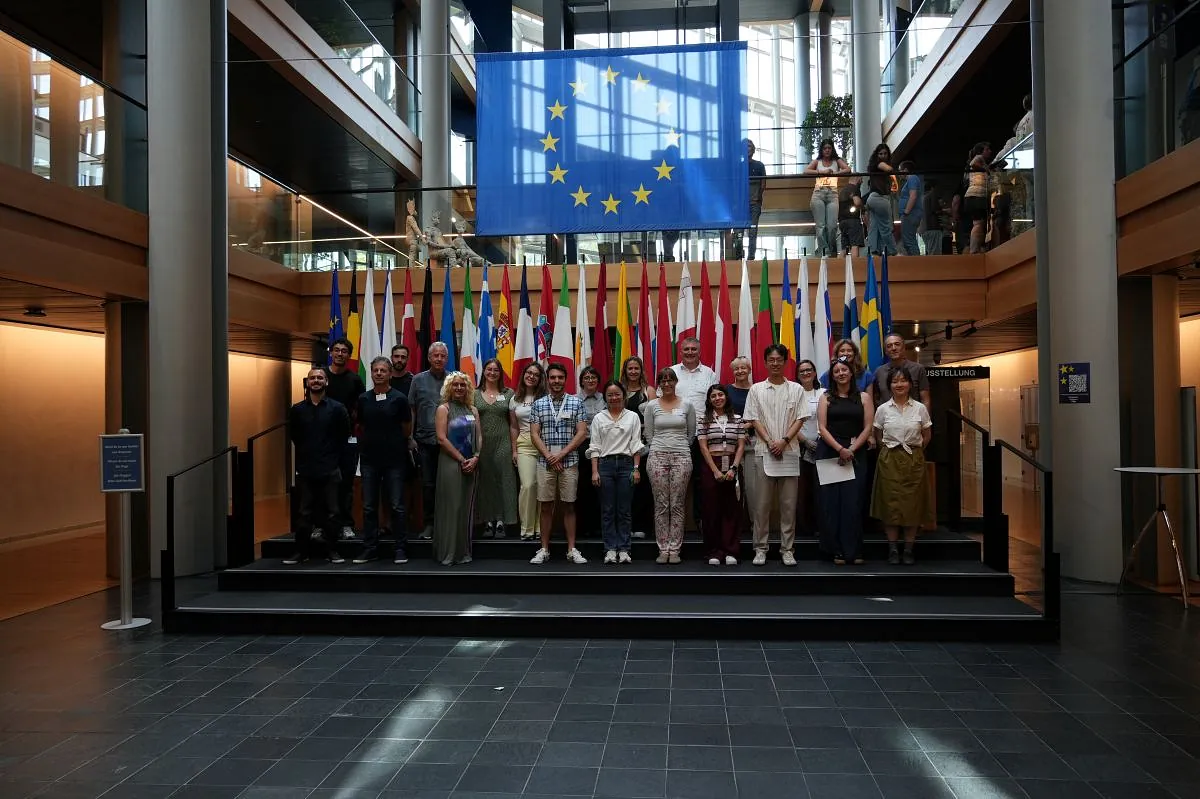
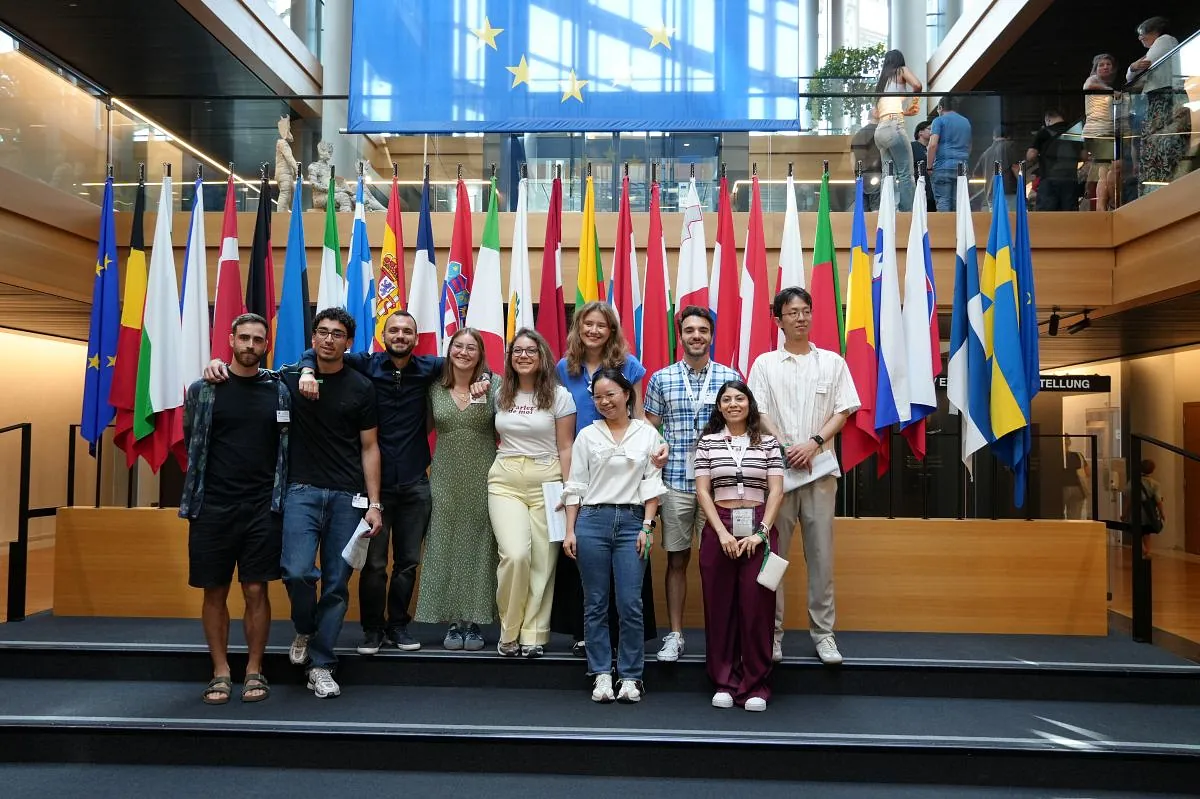
In addition, participants also visited the European Parliament in Strasbourg, where they had the opportunity to observe proceedings, work and dynamics in the European Parliament. The visit coincided with the European Parliament's adoption of a regulation on new genomic techniques (NGTs) for plants, intended to support innovation and sustainability in agriculture. Professor Purificación Lisón from the Valencia Polytechnic University (UPV) and researcher at the Institute for Plant Molecular and Cell Biology (IBMCP), Spain, said: “Proud to have witnessed this landmark moment at the European Parliament and to contribute to this new era through ViroiDoc’s innovations for plant health and crop sustainability.”
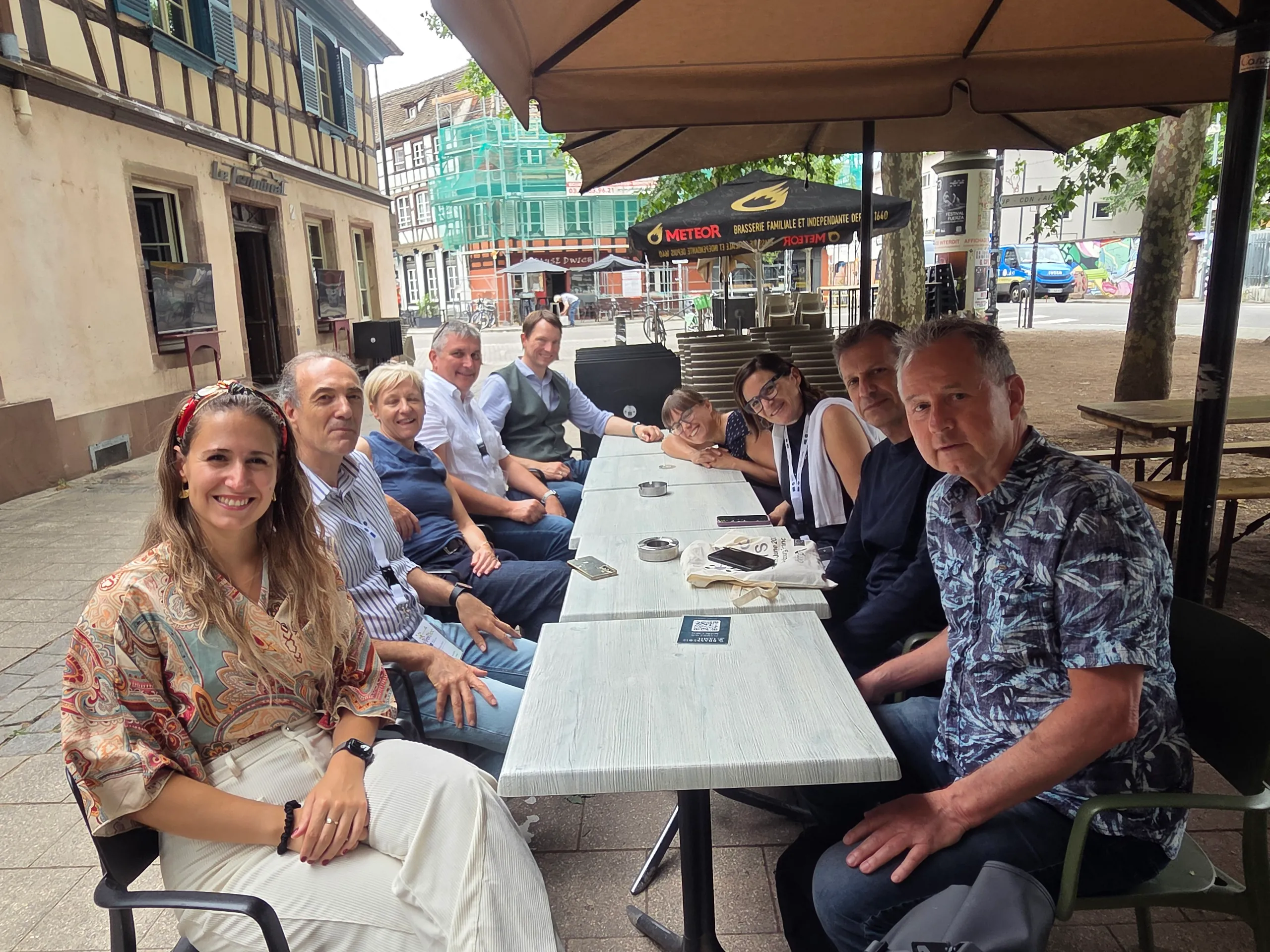
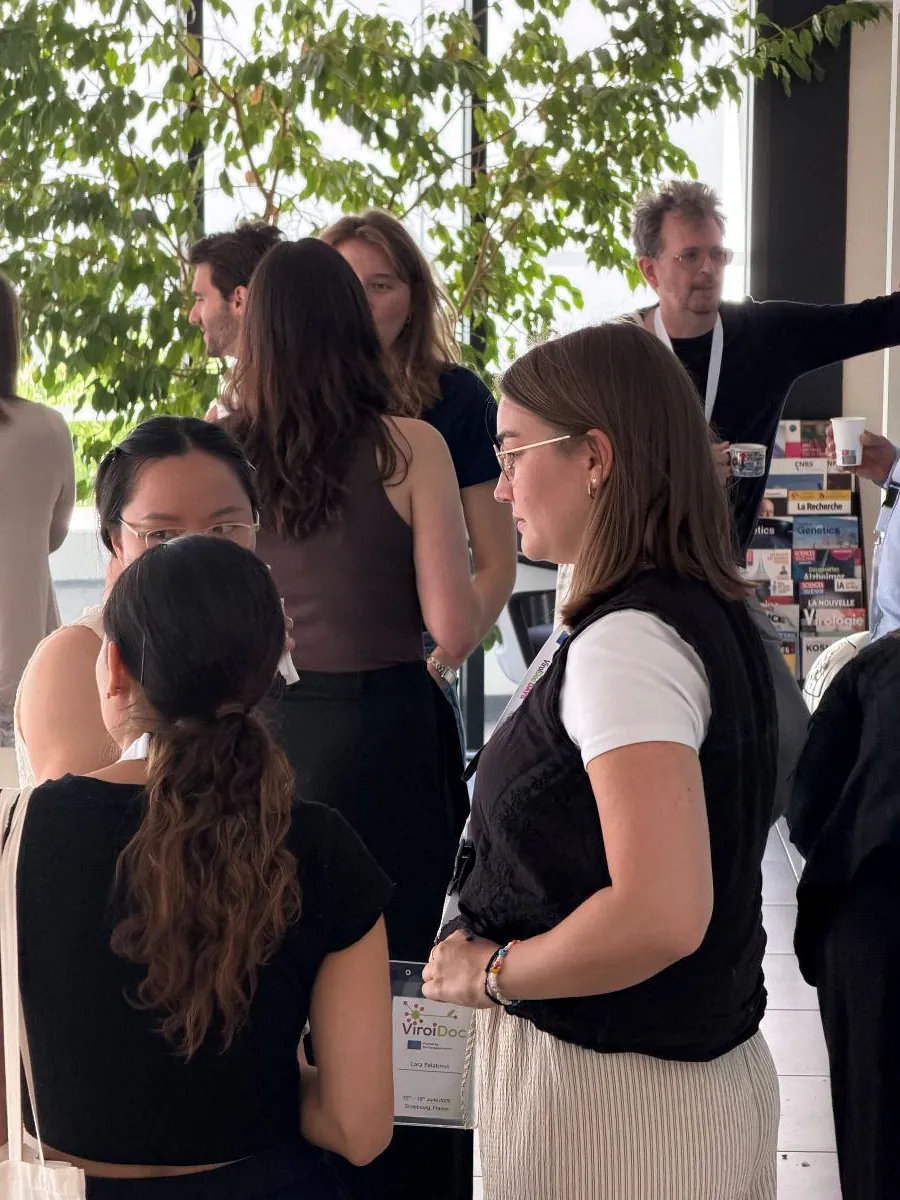
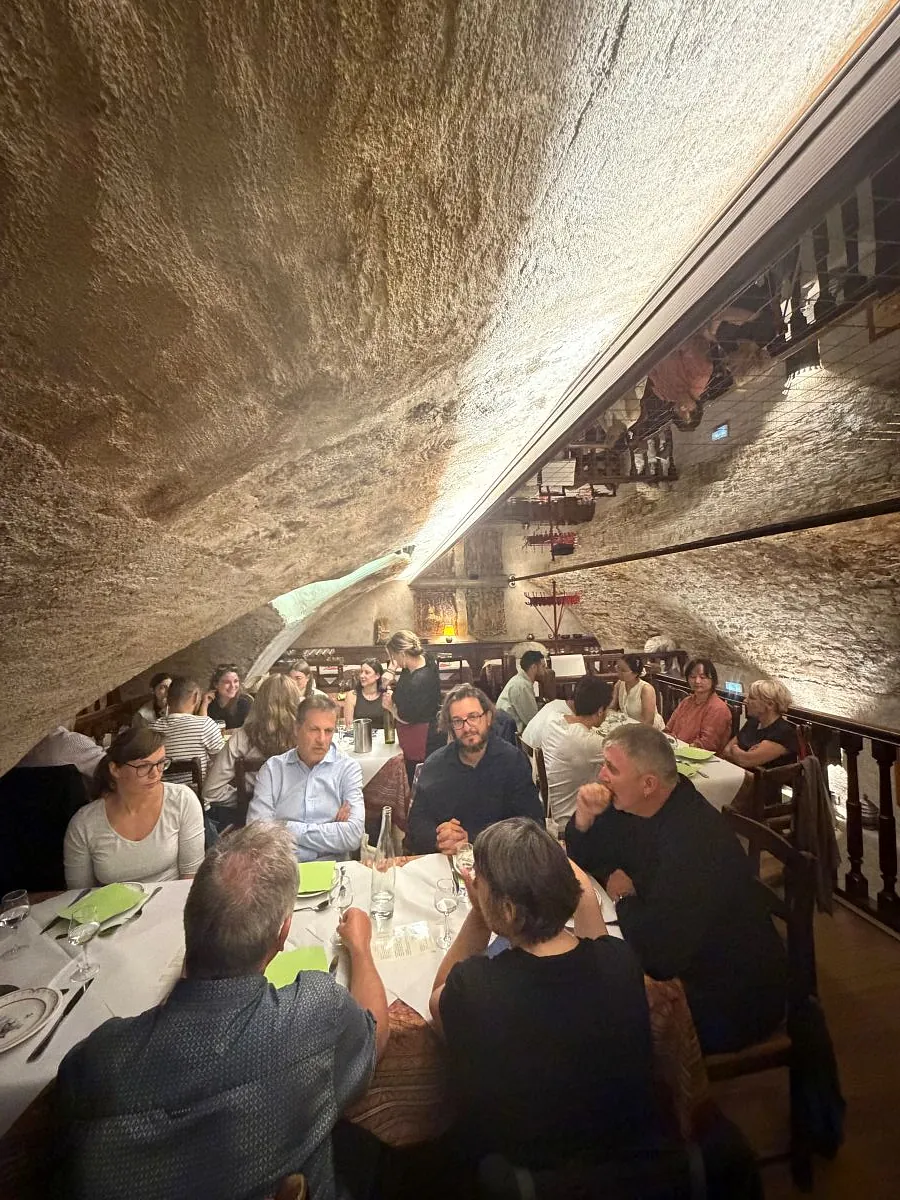
Beyond its training objectives, the ViroiDoc Days event strengthened connections among consortium members and created a valuable platform for knowledge exchange, interdisciplinary discussion, and the development of future collaborative activities. The meeting not only advanced the scientific and professional development of the MSCA fellows but also reinforced the foundations for sustained cooperation across the ViroiDoc network.
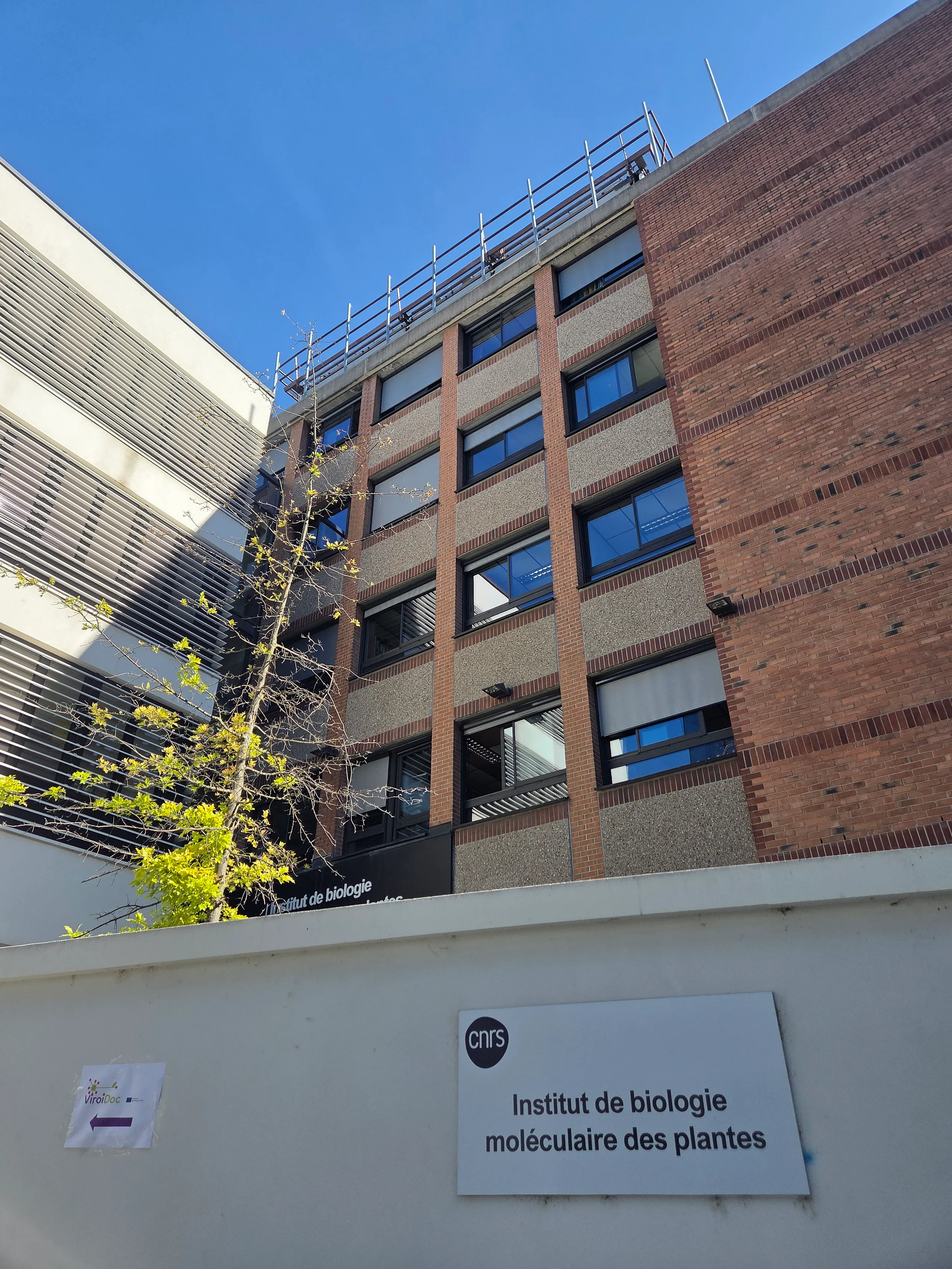
ViroiDoc Days were organised by the project consortium in cooperation with the Centre National de la Recherche Scientifique (CNRS), Institut de biologie moléculaire des plantes (IBMP), and in cooperation with the University of Crete (IMBB) and Bioreba.

Comments
Leave a comment