

18/02/2026 by Judith Estefanía López Ponce 0 Comments
A global research journey: What Judith learned as an MSCA fellow
To mark the anniversary, ViroiDoc invites its doctoral candidates to share their mobility experiences in a blog series in 2026.
My passion for science an interest in academic mobility began during my bachelor’s degree in Chemical Pharmacobiology. I first learned that science extends beyond the laboratory and that international mobility could open new academic and personal opportunities. Although pursuing studies abroad was challenging at that stage, the idea stayed with me, and I continued building my scientific path in San Luis Potosí, México, while holding onto the dream of experiencing science from a different perspective.
This motivation became clearer during my master’s degree in Molecular Biology. In my second year, my days were filled with regarding scientific literature, conducting experiments, and presenting results. I realized how vast and complex the scientific world is, and I became certain that I wanted to pursue a PhD abroad. While my former principal investigator suggested some opportunities, I also searched on my own and discovered a tweet from my current PI announcing the DC4 PhD position in Strasbourg, France, within the ViroiDoc program, which perfectly aligned with my interests.
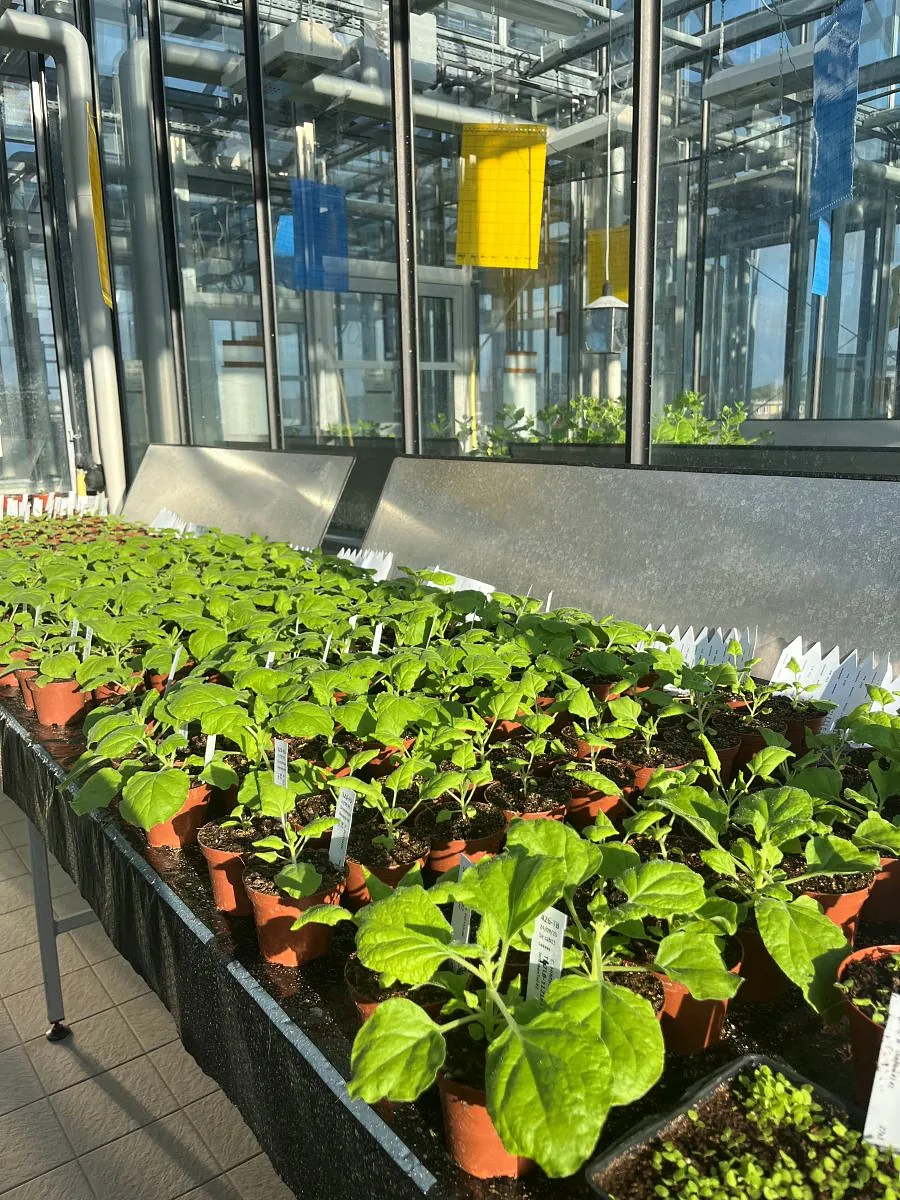
During my master’s studies, I mainly worked on protein expression in bacteria, but I also began working with plants, which opened a fascinating new biological context. This experience influenced my choice of PhD project.
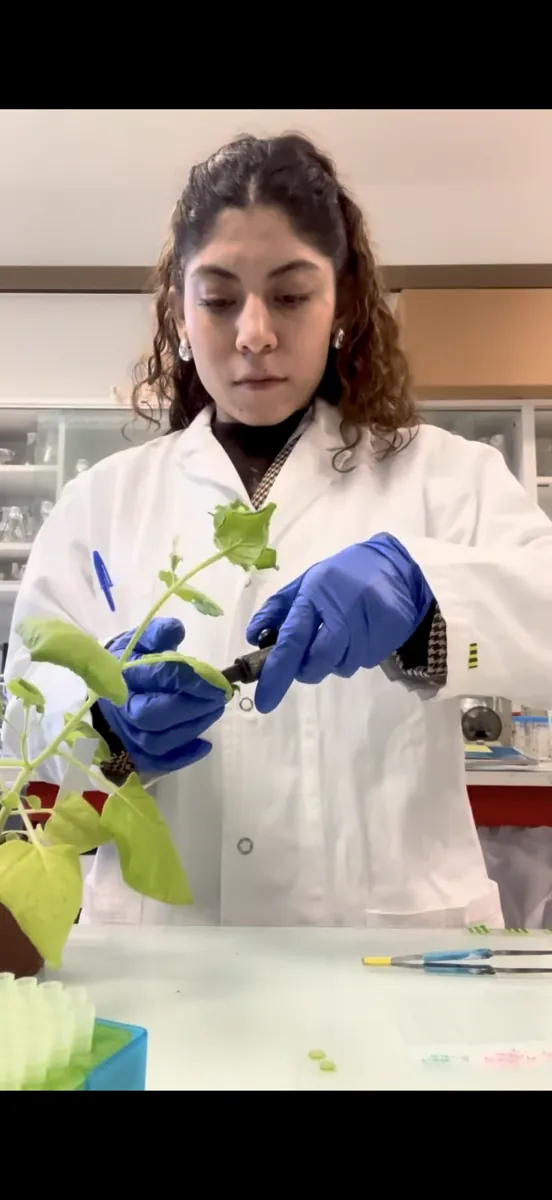
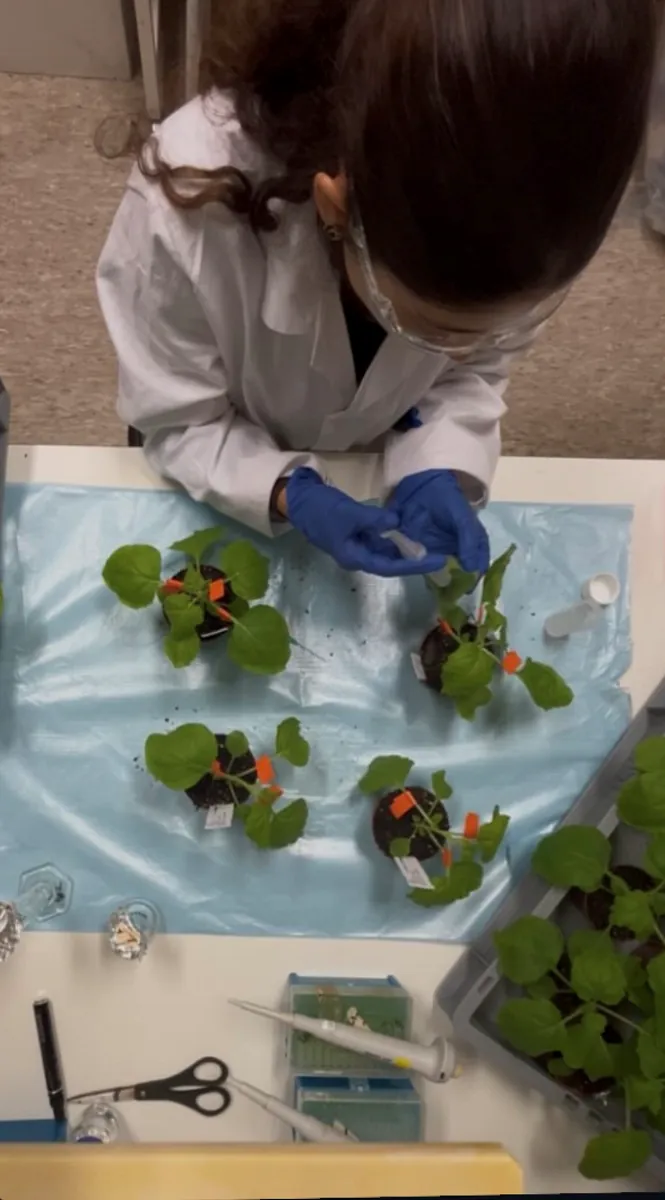
My current research focuses on visualizing in vivo viroid RNA and its associated proteins, combining techniques I was already familiar with and introducing me to microscopy. This field allows me to directly observe biological processes and interpret results from a new perspective, combining familiarity and novelty in a way that strongly motivated me.
Adapting to life in France has been an important part of my journey.
One early cultural difference was lunch timing, as people typically eat at noon, compared to my usual time in Mexico. I was also delighted to find cultural similarities like the French Galette des Rois shares the same origin as the Mexican Rosca de Reyes, celebrating Epiphany with hidden figurine and communal celebration.
Moving to France marked the first experience living alone, in a country where I don’t speak the language but as an international student, I initially navigated daily life in English. Over time, I learned that kindness and patience bridge many gaps, and I discovered my capacity for independence, managing daily tasks, administrative procedures, and social interactions. Learning to navigate local transportation and travel independently was another milestone that boosted my confidence.
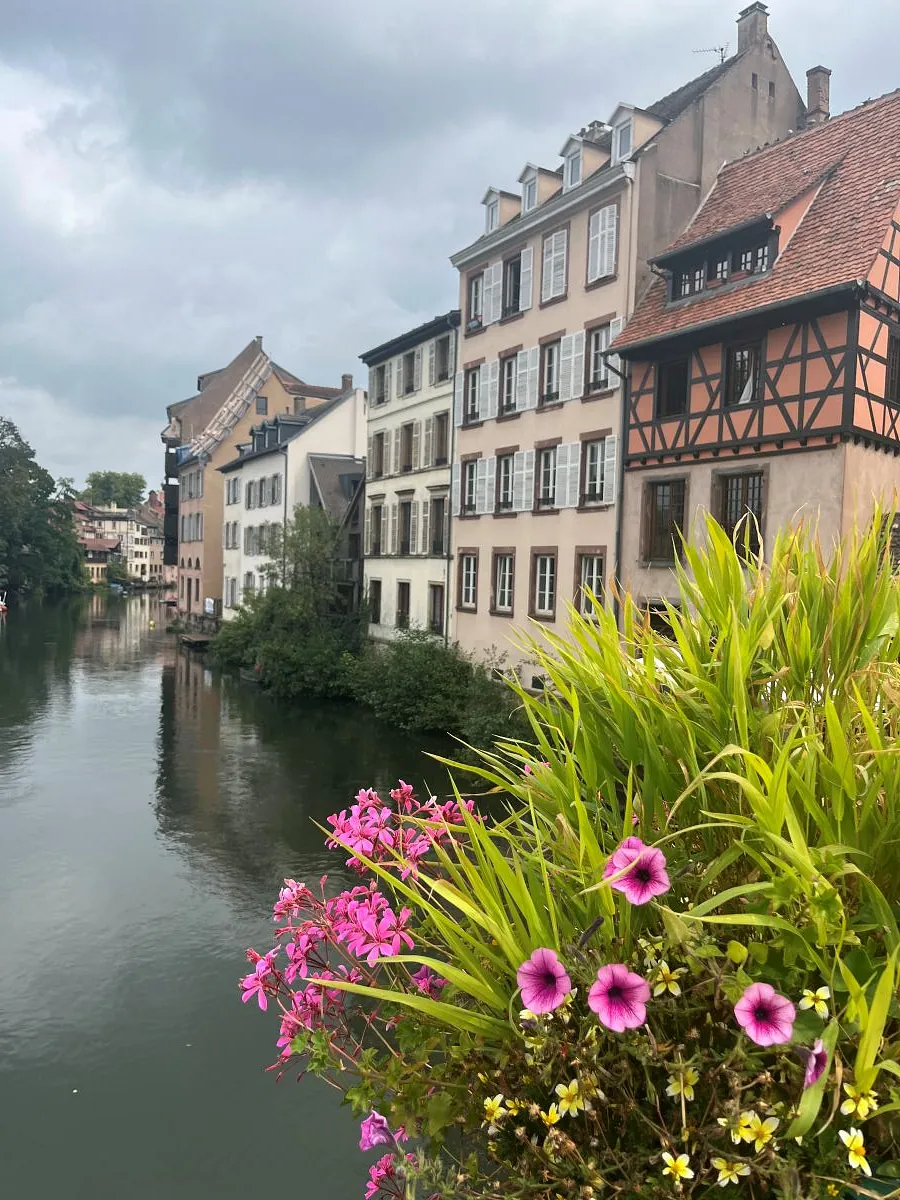
Strasbourg itself reminds me of the atmosphere portrayed in the film Amélie. Compared to the constant movement of my hometown, the city feels calm and breathable, with people enjoying time talking by the river or moving through the city by foot or bicycle. Life in the laboratory, in contrast, is highly dynamic, requiring focus, planning, and collaboration.
Overall, my scientific training in Mexico and France has been equally rigorous, yet the daily laboratory dynamics differ. In Mexico, interactions were ofen more socially integrated, while my current international laboratory emphasizes independent, focused work within a diverse team. This environment has strengthened my adaptability, autonomy, and ability to collaborate across cultures, providing valuable experience for pursuing research in a truly international context.
Judith Estefanía López Ponce is an MSCA fellow within the ViroiDoc Network. Judith is working on an individual research project entitled “In vivo imaging of viroid RNA and associated host factors” at the Centre National de la Recherche Scientifique (CNRS), Institut de Biologie Moléculaire des Plantes (IBMP) in France, while also pursuing her PhD at the University of Strasbourg´s École Doctorale des Sciences de la Vie et de la Santé.
Comments
Leave a comment